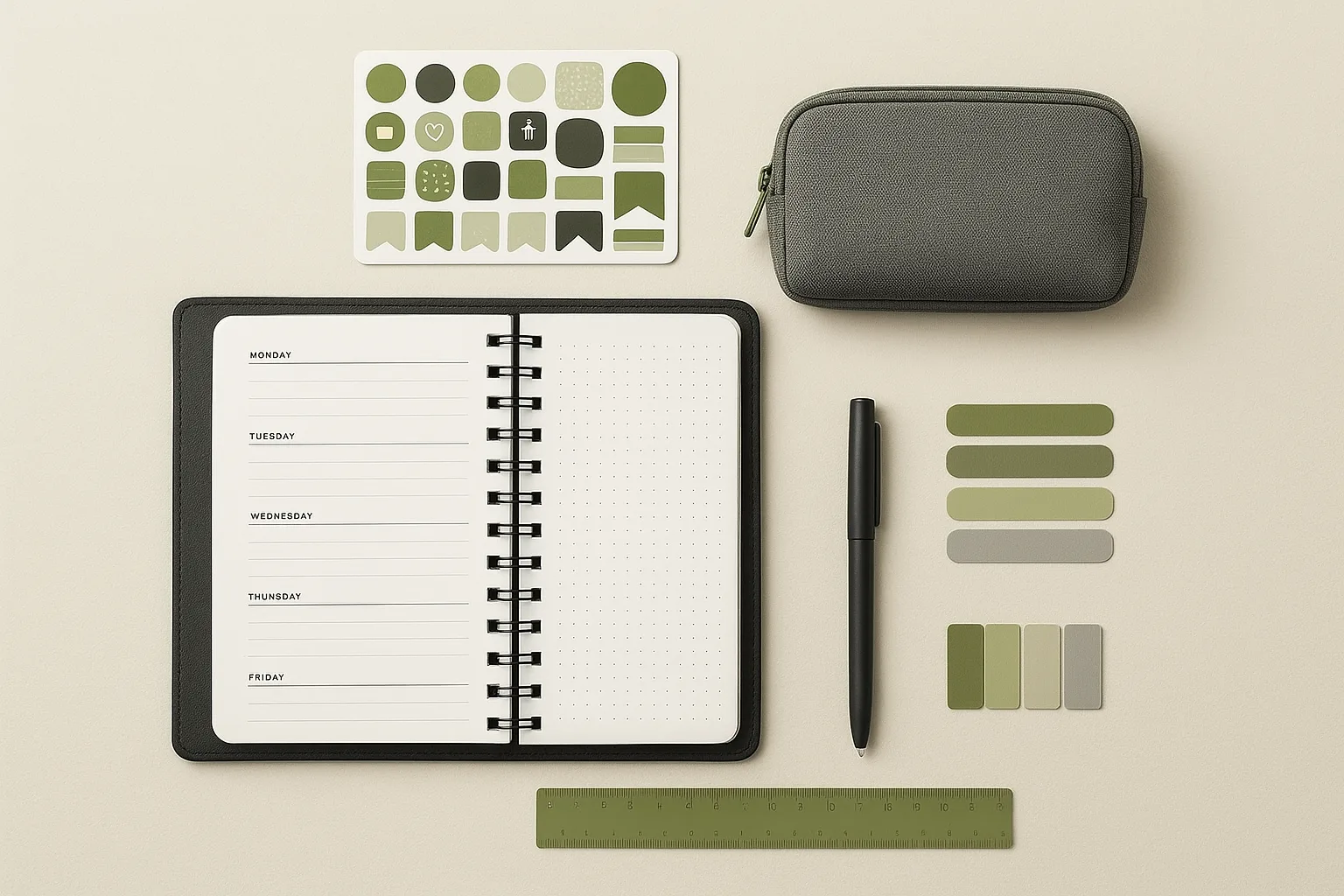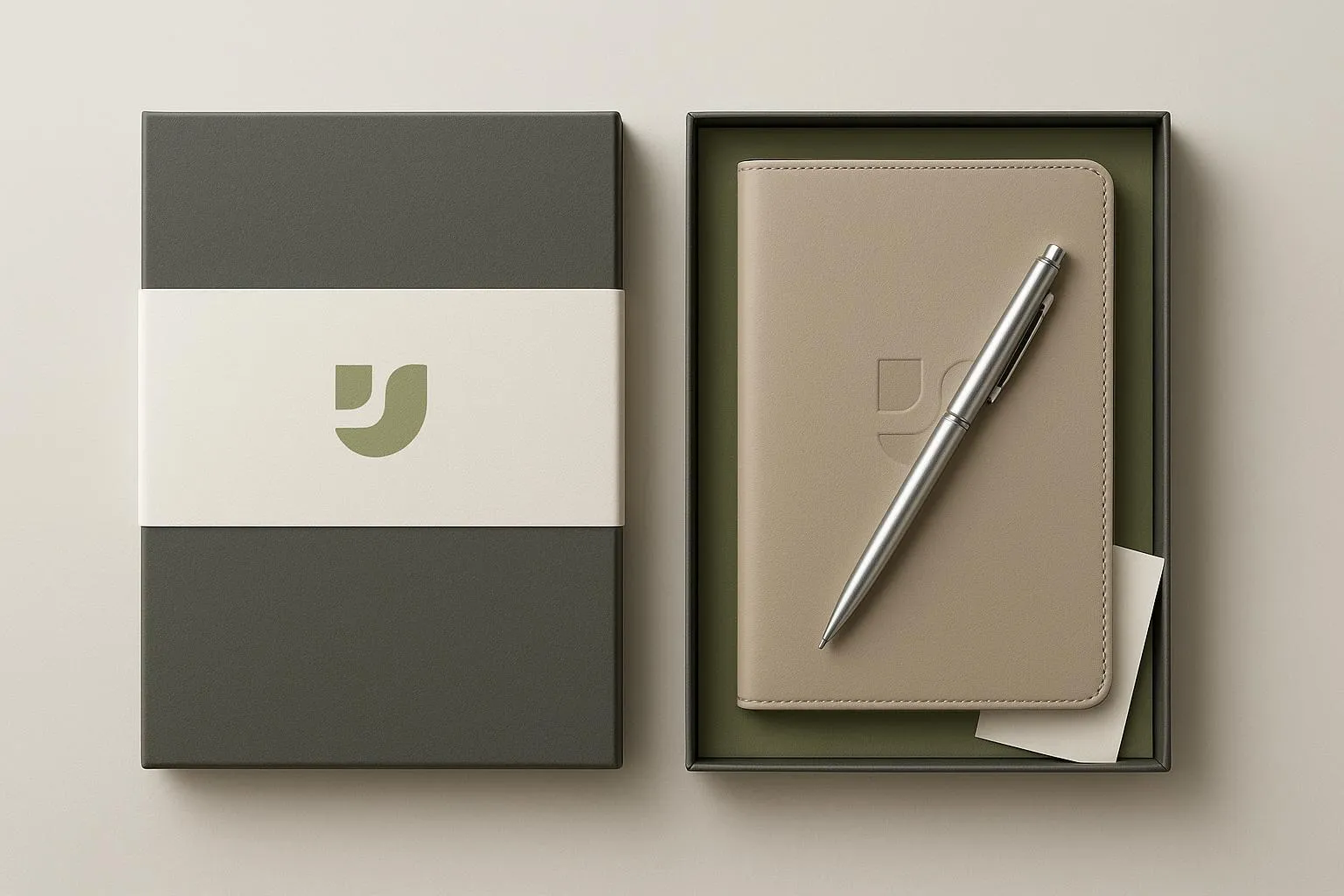
When you’re working with a $10–15 per set budget, every decision has to pull its weight. This guide shows procurement, HR, and brand managers exactly how to combine a paper notebook with a writing instrument—and optional light accessories—so the result looks considered, on-brand, and arrives on time. We’ll keep the focus on high-impact customization and presentation, with realistic timelines for 2025–2026.
Why notebook and pen gift sets still win at $10–15
Notebook and pen gift sets continue to perform because they’re useful every day and easy to brand with a single, high-impact finish. The combination hits the sweet spot between practicality and presentation, which matters in corporate settings where gifts need to feel intentional rather than flashy. With tight specs and a clean box or sleeve, you can deliver a polished experience that respects budget limits.
Quick build options at a glance
Below are three proven configurations that reliably fit the $10–15 spirit. Choose one as your starting point, then refine finishes and packaging to match your scenario.
| Build | What’s inside | Best for | Why it works |
|---|---|---|---|
| Value compact | A5 kraft softcover, ~80 pages; plastic ballpoint; kraft sleeve | Conferences and high volumes | Bold single-color imprint on kraft keeps costs down while the sleeve adds reveal and brand pop |
| Entry premium | A5 PU hardcover, 80–100 pages; metal-look ballpoint; simple rigid box | Onboarding and client gifts | Deboss or single-color foil on PU lifts perceived value without complex multicolor costs |
| Scenario plus | A5 PU hardcover, ~100 pages; entry metal pen; rigid box with insert card | Select clients or exec welcome kits | Laser on pen plus foil or spot UV on cover delivers a tasteful “premium” signal |
Sources on presentation value and gifting best practices emphasize usefulness and the unboxing moment; both are achievable at this tier with thoughtful packaging and a single strong finish, as discussed in practitioner guides from platforms like Sendoso and Unwrapit. See, for example, the framing in the corporate gifting best-practice guides by Sendoso and Unwrapit.
What actually fits inside $10–15 without looking cheap
The trick at this tier is to concentrate spend where recipients notice it: a solid-feeling notebook, a dependable pen, one high-impact finish, and clean presentation. A5 is the sweet spot for notebooks; casebound PU or kraft softcover both work. Keep pages around 80–100 with 80–100 gsm paper for everyday writing, and select ruled or dot for inner layout. For the pen, a plastic ballpoint or basic metal-look model performs well, and if you move up to an entry metal pen, save budget elsewhere. Pick one hero branding method—foil or deboss on PU, or a crisp one-color screen print on kraft—and avoid multi-location prints. Finally, use a sleeve or a simple two-piece rigid box to deliver the “gift” feel, and include a small insert card to add context without adding much cost.
Manufacturer pages for notebook-and-pen sets confirm feasibility of these specs and short production windows for standard customizations. For example, a China-based OEM details MOQs and production ranges for notebook and pen sets on its product page; see China Printing Group’s notebook and pen set overview.
Branding and finishing that elevate value at low cost
You don’t need elaborate multicolor artwork to look polished. Choose from a handful of finishes that signal quality while controlling setup.
- Foil stamping adds a metallic sheen and tactile pop on smooth PU, great for bold marks. It requires a die but creates a premium feel that exceeds its cost. See technique breakdowns like Packfancy’s foil versus spot UV guide and the embellishment overview from Digiprint Corporation.
- Debossing impresses the logo into the cover for a subtle, durable mark—excellent for minimalist brands and everyday use. Tradeoffs and applications are outlined by Ambro Manufacturing.
- Screen printing delivers an opaque, Pantone-matched color and is efficient for one to two colors, as explained by Datagraphic’s comparison of screen printing and foil.
Rule of thumb: at $10–15, pick one finish and do it really well. Foil or deboss on PU tends to punch above its weight; single-color screen print on kraft is the value king for large runs.
Pen choices and imprint methods that hold up
Pens are handled daily, so durability matters. At this tier, match the imprint to the substrate. For plastic pens, pad printing is cost-effective and handles curved barrels well; UV printing is an option for full color but costs more. For metal pens, laser engraving is permanent and abrasion-resistant, ideal for single-position branding. Overviews and comparisons of these methods are available via CustomPens’ method guide and PromoGator’s write-up on laser versus pad print.
Keep to one imprint position. If you upgrade to a metal pen with laser, balance by using a single, subtle finish on the notebook.
Packaging that moves perception without blowing the budget
Presentation is half the experience. Small packaging choices go a long way. A sleeve adds a brand-forward reveal with minimal material and is often cited as a cost-effective way to elevate unboxing; see EverythingBranded’s unboxing perspective and BoxMaker’s corporate gift packaging advice. Simple two-piece rigid boxes deliver sturdy, gift-like presentation suitable for notebook plus pen, and kraft boxes align with sustainability cues when paired with a belly band or insert card to avoid a plain look, as suggested in Morgan Chaney’s creative packaging ideas.
Add a small insert card. It guides the story and doubles as a brand touchpoint.
Build recipes you can paste into RFQs
Here are three copy-ready specifications you can share with suppliers to get apples-to-apples quotes. Adjust quantities and ink colors to your brand.
A) Value compact
Notebook: A5 kraft softcover, ~80 pages, 80–90 gsm; one-color screen print logo front; ruled layout.
Pen: plastic ballpoint, black ink; one-color pad print at clip or barrel.
Packaging: kraft tuck box or banded sleeve with one-color print.
Notes: choose a bold single imprint color for visibility on kraft; confirm adhesion tests on uncoated stock.
B) Entry premium
Notebook: A5 PU hardcover, 80–100 pages, 80–100 gsm; blind deboss or single-color foil on front; optional ribbon and elastic.
Pen: metal-look ballpoint barrel (ABS or entry metal); pad print single position on ABS or laser on metal.
Packaging: simple two-piece rigid box; optional sleeve or belly band.
Notes: make the notebook finish the hero; keep to one imprint position per item to stay inside budget.
C) Scenario plus
Notebook: A5 PU hardcover, ~100 pages, consider 100 gsm if feasible; foil logo with optional subtle spot UV pattern.
Pen: entry metal ballpoint; laser engraved single position.
Packaging: rigid box with foam or paper insert; branded insert card printed one color.
Notes: confirm insert fit with a pre-production sample to prevent transit scuffs.
Manufacturers frequently publish MOQs and production windows for these processes. For reference on feasibility and typical ranges, see China Printing Group’s set page.
Lead time and shipping planning for 30–35 days door to door
Door-to-door timing blends factory windows with transit choices. Here’s a compact model to plan around typical 2025–2026 conditions.
| Stage | Typical timing | Notes |
|---|---|---|
| Artwork to PPS approval | 5–10 business days | Includes die line confirmation for foil or deboss and imprint areas |
| Mass production | 10–20 business days | Varies by binding and finish; simple sets can be faster |
| Transit express or air | 5–10 days | Use when you need in-hands within 3–5 weeks |
| Transit ocean LCL or FCL | 4–9+ weeks | Lane-dependent; use only when schedules allow |
Ocean timing fluctuates. Industry snapshots for 2025–2026 show China to US West Coast around the low-30s days port-to-port, and longer for East Coast and North Europe. See Flexport’s Ocean Timeliness Indicator overview and their weekly updates for current ranges.
Planning tips: if you need in-hands within a month, plan on express or air and keep finishes simple; add buffers around Q4 and Chinese New Year; approve pre-production samples quickly to unlock production.
Scenario mapping to make choices faster
- Onboarding kits: emphasize durable construction and understated branding. A debossed PU notebook plus a metal-look pen in a rigid box reads professional without shouting. Add a small insert card for day-one guidance.
- Client gifting: elevate shine. Foil on PU and a laser-marked pen feel “kept.” A sleeve with your primary color creates a cohesive reveal.
- Conference packs: maximize legibility and consistency at scale. Kraft notebook with a one-color screen print and a plastic ballpoint with a one-color pad print moves smoothly through kitting and distribution.
Procurement toolkit in one place
To accelerate quoting, include these essentials in your RFQs: quantity brackets, final artwork with outlined fonts and Pantone codes for spot colors, imprint positions, notebook specs including size, cover material, page count and gsm, inner layout, and selected finish; pen substrate and mechanism; packaging type and any sleeve or insert printing; whether you require pre-production samples; target in-hands date; and preferred shipping mode. Suppliers can then match capacity and timing accurately.
Before you approve mass production, run a quick sampling and QA check. Confirm color against proofs, perform a simple rub or scratch test on printed marks and foils, verify binding integrity and page count tolerance, run a packaging drop simulation, and do a short pen-on-paper compatibility test on your chosen notebook stock. For structured checklists and why these steps matter, see Testcoo’s inspection guidance for office supplies and a practical overview of inner paper layouts from Mainland Printing.
Frequently asked costs and MOQs
MOQs for combined sets are often quoted from around low hundreds up to several hundred units depending on finish complexity and packaging. Manufacturer pages illustrate how simpler finishes and standard colorways lower MOQs, while custom color matches, multi-position prints, or premium boxes can lift them. For an example of how one OEM frames minimums and production windows for sets and related notebook SKUs, review this manufacturer overview.
Because the $10–15 landed target varies by destination and shipping mode, request quotes for 100, 250, 500, and 1,000 sets and ask suppliers to specify the shipping assumption for each quote. If you must stay inside four weeks, expect to use express or air and keep finishes tight.
Next steps
Collect apples-to-apples quotes from two to three OEMs using one of the RFQ specs above. Confirm production window and shipping mode with your required in-hands date, and lock artwork early to protect the schedule.
Disclosure: Shinyyou is our product. It’s a China-based OEM stationery supplier that supports custom notebook and pen gift sets along with packaging and sampling workflows. Consider it alongside other qualified vendors and select based on fit to your spec, timing, and budget.
Sources
- Corporate gifting practice perspectives: Sendoso best practices; Unwrapit corporate gifting overview.
- Manufacturer feasibility and timelines: China Printing Group on notebook and pen sets.
- Finishing method explainers: Digiprint on embossing, debossing, foiling; Packfancy on foil versus spot UV; Datagraphic on screen versus foil; Ambro Manufacturing on debossing.
- Logistics timing snapshots: Flexport Ocean Timeliness Indicator and weekly updates linked therein.