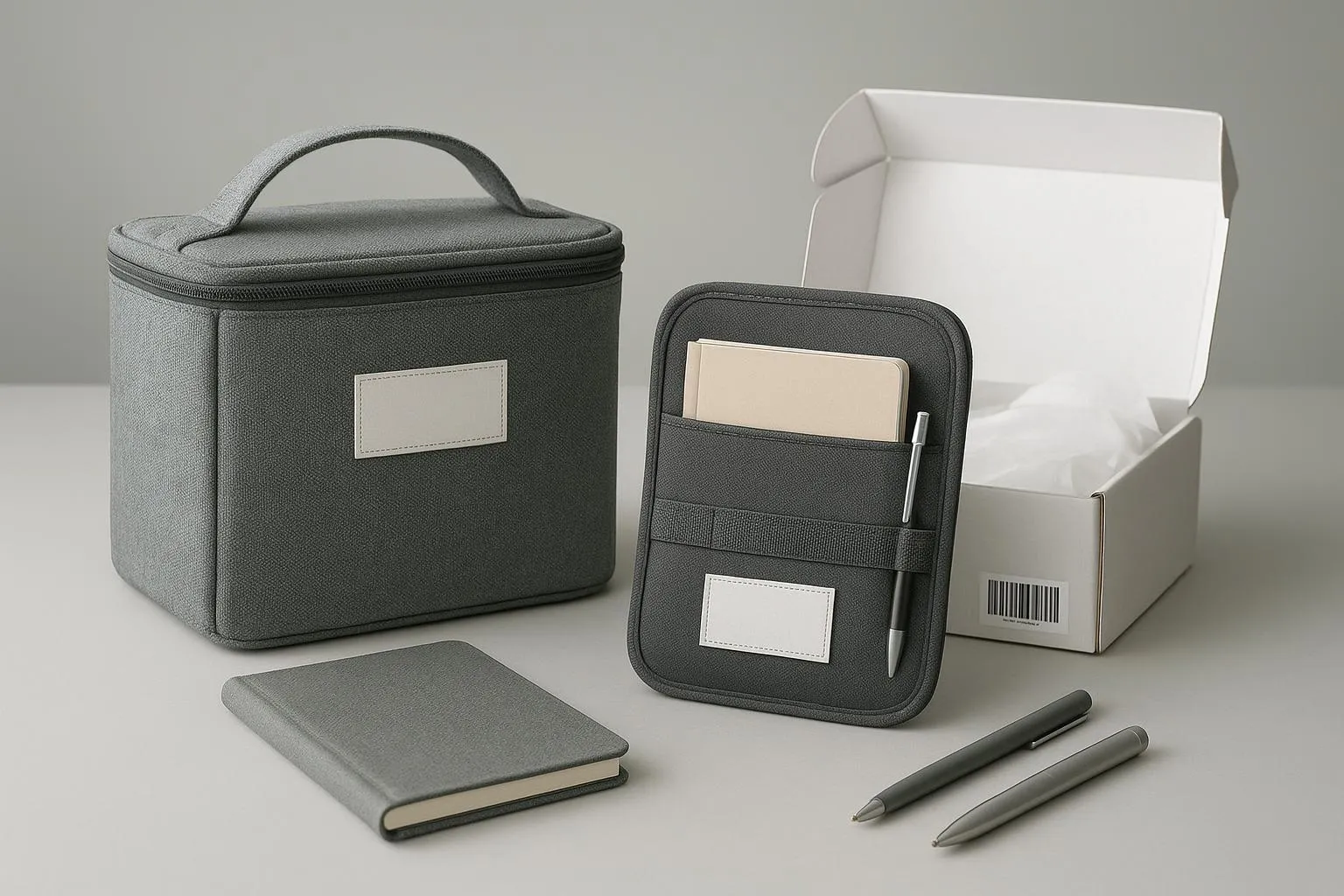
Corporate buyers love gifts that get used daily, look on-brand, and arrive on time without drama. This guide shows you exactly how to spec and source OEM lunch bags and compact organizer pouches bundled with basic stationery to create year‑end employee care kits in the $8–$15 range. We’ll cover practical OEM options, the compliance documentation you must lock before a PO, realistic BOMs and costing, a QC workflow that prevents surprises, and how to run kitting and cartonization like a pro.
Why OEM lunch bags for corporate gifts are a smart year‑end choice
A kit wins when it blends function and perceived value. Lunch bags should feel sturdy, keep contents separated, and wipe clean easily. Organizer pouches should corral cords, pens, and a notebook without bulk. Branding needs to be tasteful and consistent across items. Presentation matters, too: right‑sized mailer boxes, a short brand card, and correct labeling elevate the experience and protect the contents in transit. You’re aiming for a practical, everyday companion that quietly reminds employees they’re appreciated long after the holidays. That’s why OEM lunch bags for corporate gifts paired with stationery hit the sweet spot of usefulness, brandability, and budget control.
OEM options that keep costs and quality in balance
Dialing in specifications early keeps you inside the $8–$15 window while protecting usability. The right OEM menu—shell fabrics, liner stacks, compartments, trims, and decoration—helps you brief suppliers with clarity and compare apples to apples.
Shell fabrics and sustainability choices
600D or 900D polyester offers reliable abrasion resistance at approachable prices. Upgrading to RPET polyester supports sustainability messaging with similar performance. Cotton canvas delivers a natural hand feel and pairs well with embroidery; use a tighter weave or add a lining to minimize show‑through under prints. Neoprene works for soft lunch totes when you want flexible structure and simple wipe‑down care.
Liner stacks and insulation options for lunch bags
A common value stack is polyester outer + EPE foam + PEVA liner. PEVA is easy to clean; EPE adds thermal mass and crush resistance. Foil laminates can reflect heat effectively but feel more metallic. Because insulation performance is highly dependent on thickness and use conditions, define a functional target (for example, maintain under 10°C for four hours with two 200 g ice packs at 22–25°C ambient) and have the factory validate with third‑party tests rather than relying on marketing claims. For OEM lunch bags for corporate gifts, this single test target gives you a clean, comparable pass–fail between quotes.
Compartments and layout that actually get used
For lunch bags, one main insulated compartment is simplest; add a top mesh pocket for utensils or condiments and a side mesh pocket for a bottle if your audience carries extras. For organizer pouches, a mix of zip mesh pockets for small items and elastic loops for pens or cables keeps things stable; include a sleeve for an A5 notebook and an external grab handle for quick carry. These small, thought‑through details raise perceived value in OEM lunch bags for corporate gifts without blowing the budget.
Hardware and stitching details that extend lifespan
Specify SBS or YKK‑class zippers if durability is critical. Choose PP webbing for handles and reinforce load points with bar tacks or box‑X stitching. On canvas, thicker thread and tighter SPI help control seam creep. Small trim upgrades produce an outsized perception lift and reduce return risk—especially important when OEM lunch bags for corporate gifts are distributed at scale across a workforce.
Branding and decoration without headaches
Screen printing is excellent for bold, 1–2 color logos at scale. Heat‑transfer or DTF handles gradients and fine detail; when decorating polyester, request dye‑blocking films to mitigate bleed. Embroidery gives a premium look on canvas panels but raises unit cost and may require backing to prevent puckering. Confirm imprint areas on each panel early and share vector artwork and Pantone references with the sample request so your OEM lunch bags for corporate gifts look consistent across every lot.
Work with a custom insulated lunch bag manufacturer
When your use case depends on everyday usability, collaborate on details that move the needle: panel construction to reduce cold bridges, zipper paths that make cleaning easy, and interior slip pockets that keep cutlery from rattling. Ask for material callouts in the tech pack and set pass‑fail criteria for each function so you can measure rather than guess.
Compliance you must lock before the purchase order
If food touches or could reasonably contact the liner, treat the interior as an indirect food‑contact surface and gather documentation before you green‑light production. In the United States, olefin polymers such as PE and PP commonly used for liners fall under the eCFR’s food‑contact listings; resinous and polymeric coatings used on substrates are addressed separately.
- The US eCFR lists resinous and polymeric coatings under section 175.300; verify extractives limits and intended use conditions against the current tables. See the official text in the federal register at the section for resinous and polymeric coatings in 21 CFR 175.300.
- Olefin polymers used in films and liners are addressed under §177.1520; confirm the specific resin category and limitations. Refer to olefin polymers in 21 CFR 177.1520.
In the EU, the Framework Regulation requires materials not endanger health or alter food composition; plastics are governed by a positive list with overall and specific migration limits. Manufacturers must also implement documented good manufacturing practices.
- Review Article 3 of the Framework Regulation in Regulation EC 1935 2004.
- Ensure the supplier follows documented GMP per Regulation EC 2023 2006 on good manufacturing practice and can provide migration testing matched to intended use conditions.
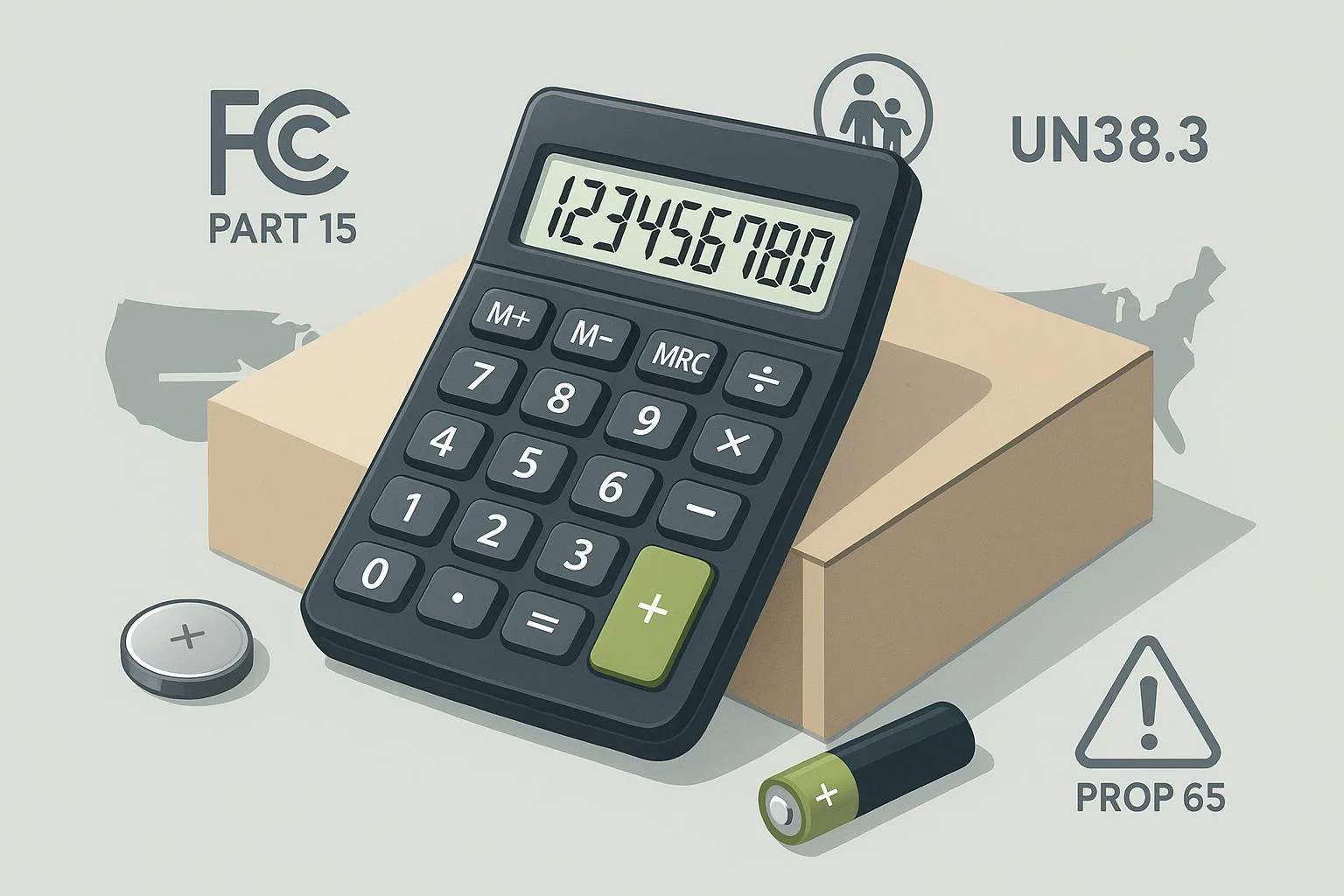
California’s Proposition 65 focuses on chemical exposure warnings if listed substances exceed safe harbor levels. Even if FDA or EU requirements are met, a Prop 65 warning can still be necessary based on exposure assessments. Start at OEHHA’s Proposition 65 portal to align your labeling stance.
Finally, screen for EU REACH Candidate List substances of very high concern. Suppliers must communicate if SVHCs exceed 0.1% by weight at the article level and, in some cases, submit notifications to ECHA. The authoritative reference is the ECHA Candidate List.
What should your documentation pack include to place a confident PO? At minimum, request these before cutting tooling or confirming mass production:
- A Declaration of Compliance referencing applicable US 21 CFR sections and or EU 1935 2004 plus plastics rules, with intended use conditions.
- Full material composition for liners, coatings, adhesives, inks, and trims with CAS numbers and regulatory listings.
- Migration or extractives test reports matched to use conditions and appropriate simulants for both US and EU routes as applicable.
- A GMP statement for EU supply, REACH SVHC screening results, and if relevant, the Prop 65 compliance position and warning text.
- Traceability records and evidence that lab reports are tied to the exact production lot you will receive.
Costing and BOMs that hit the $8–$15 target
You can reach the budget with tiered specifications and disciplined kitting. Keep in mind that costs below are indicative EXW ranges for 1,000+ units; always validate with current quotes. Distributor pricing for economy coolers suggests these bands are attainable; for example, 4imprint lists economy insulated totes like the Crosby Lunch Cooler Tote at low single‑digit USD in large quantities, which triangulates to sub‑retail EXW costs. See the product context on 4imprint’s Crosby Lunch Cooler Tote page and confirm with direct RFQs.
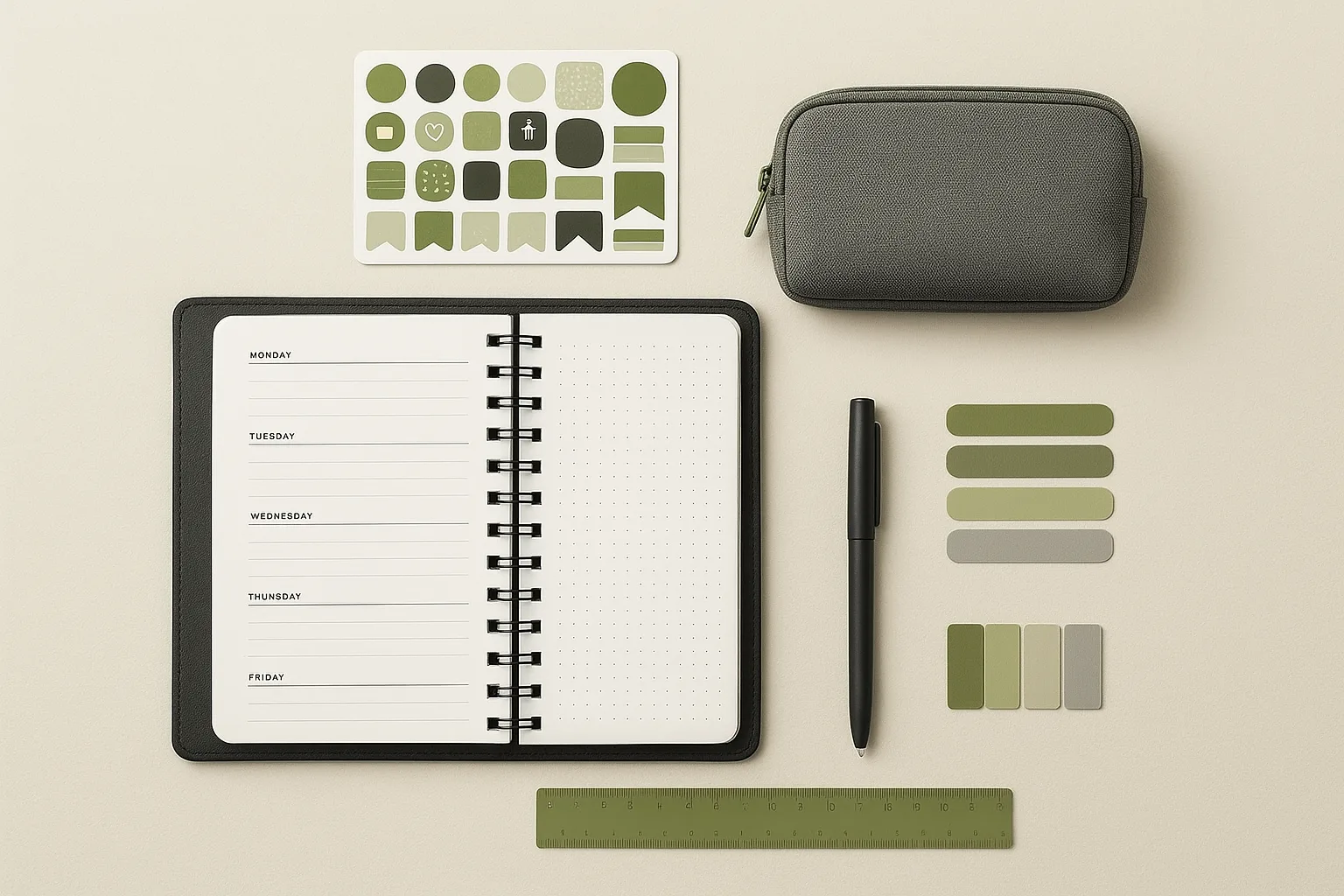
Assumptions below: one lunch bag or one organizer pouch per kit, plus an A5 notebook and two ballpoint pens with one‑color branding. Kitting includes basic assembly, tissue wrap, a brand card, and a barcode label.
| Tier | Bag spec | Branding | Stationery bundle | Kitting and QC | Estimated EXW total |
|---|---|---|---|---|---|
| Budget | Polyester lunch tote, PEVA liner, single compartment, basic zipper | 1‑color screen print | A5 notebook + 2 pens with 1‑color print | Basic assembly, tissue, barcode, visual QC | ~$8.0–$10.0 |
| Balanced | Add side pocket, slightly thicker insulation, upgrade zipper class | Heat‑transfer logo for finer detail | Same as Budget | Add rub test for print, seam strength spot checks | ~$11.0–$13.0 |
| Premium | Canvas panel or organizer pouch with extra pockets, reinforced seams | Embroidery patch or woven label plus subtle print | Same as Balanced or add sticky notes | Enhanced QC with inline check at 20–30% and FRI at 80–100% | ~$13.0–$15.0 |
Notes on levers: liner and insulation upgrades move the needle on perceived quality; zipper brand and puller design are small cost adders with high touch value. Heat‑transfer or DTF increases decoration cost but preserves detail; embroidery elevates look and longevity on canvas panels. Stationery quality and page count affect value perception; keep print areas consistent with the bag to simplify production. Mention your budget guardrails clearly in RFQs so suppliers propose the right trade‑offs for OEM lunch bags for corporate gifts rather than over‑engineering.
Sampling and QC that prevent surprises
Here’s the deal: most “bad surprises” trace back to missing specs, weak sampling, or late inspections. Run a simple three‑step sample path and lock standards early. T0 material swatches confirm shell fabric, liner, insulation, webbing, and zipper pulls—approve Pantone shades against physical standards under D65 lighting. T1 functional prototypes check patterning, stitching, zipper paths, pockets, and imprint areas; rub the print, flex the seams, and wipe the liner with a mild detergent test. T2 production‑intent samples use final trims, artwork, and stitch specs; keep one as your golden sample for all inspections. For workforce‑wide deployments of OEM lunch bags for corporate gifts, this tight loop removes ambiguity and protects timelines.
For production, align on ISO 2859‑1 General II with AQL targets of 0 for critical, 2.5 for major, and 4.0 for minor defects. Conduct an inline inspection at 20–30% to catch systemic issues and a final random inspection at 80–100% packed. Test zipper function on a sample size, verify seams, check carton integrity, confirm barcodes scan, and spot‑test print durability with a light rub.
OEM lunch bags for corporate gifts and kitting that scales cleanly
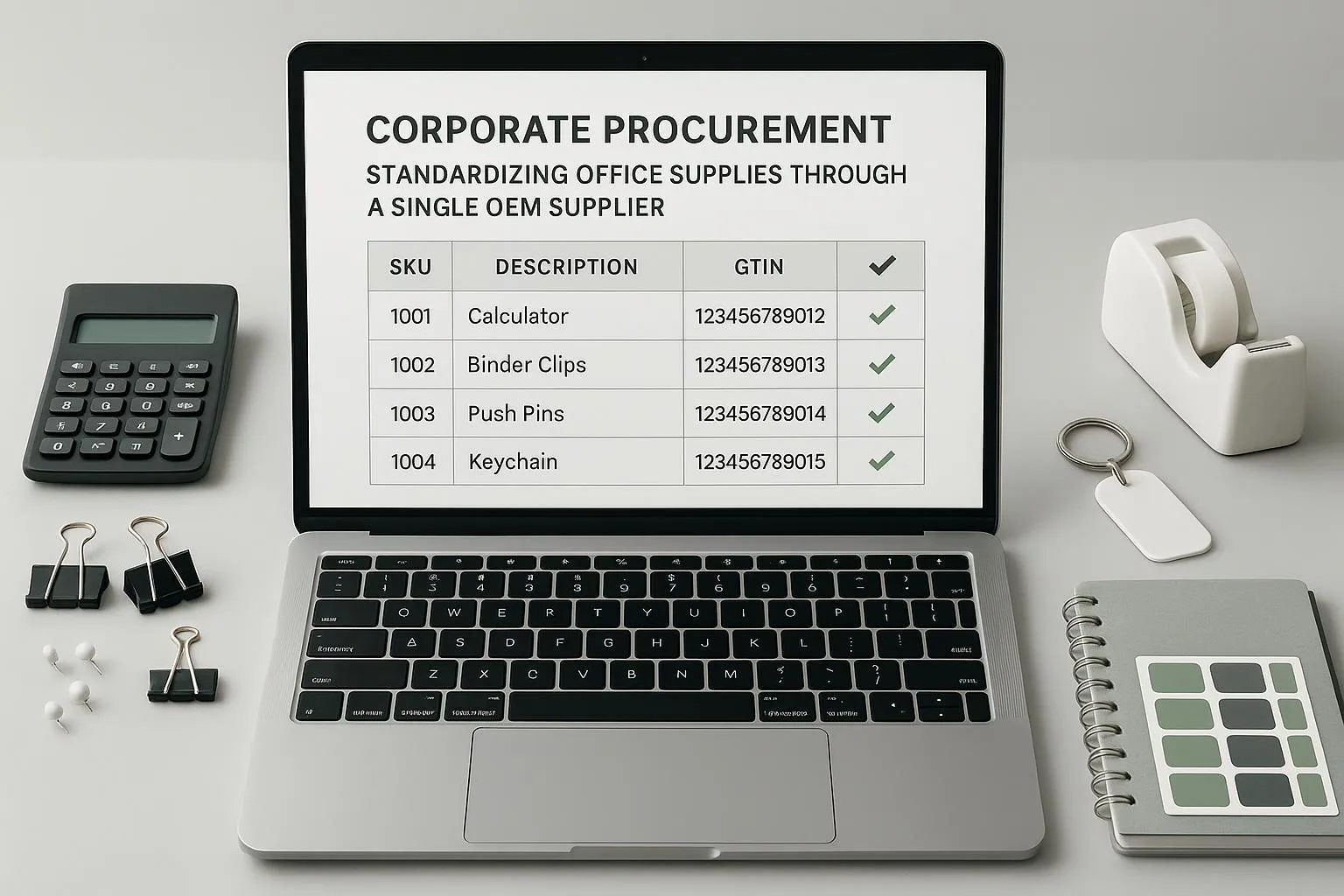
Treat each kit as its own SKU once assembled. Build a simple kit BOM listing every component and quantity. After assembly, label the kit with a barcode and a contents list, then pack into right‑size mailers to reduce damage and DIM weight. For a practical overview of industry‑standard steps, see how third‑party logistics providers frame it in ShipBob’s guide to kitting and assembly.
Disclosure: Shinyyou is our product. In programs where a single partner is preferred, Shinyyou can support OEM customization for bags and stationery and handle basic kitting and labeling so the finished kits arrive ready for distribution. If you’re evaluating alternatives, weigh suppliers on the same criteria you use here—compliance documentation maturity, sample responsiveness, QC rigor, and barcode accuracy—so the comparison stays objective.
Supplier vetting and the RFQ you should send this week
Well‑structured RFQs produce better quotes and faster timelines. Request clear material specs for the shell denier or gsm, liner material and insulation performance target, zipper class, and webbing type. State intended use conditions for the liner and reference the regulatory pathway you expect. Share artwork as vector files with Pantone callouts and specify decoration method and maximum imprint sizes by panel. For kitting, include your kit BOM, ask for assembly SOPs, barcode placement, and cartonization details. On commercials, request MOQ tiers, sample costs and lead times, production lead time by spec, Incoterms, and packaging options. This structured ask helps suppliers tune proposals precisely for OEM lunch bags for corporate gifts instead of pushing generic promo specs.
Timelines and seasonal risks you should plan around
From first RFQ to delivered kits, a practical plan looks like this for 1,000‑unit runs: about one week for quoting and clarifications; one to two weeks for T0 swatches and a T1 prototype; roughly one week for T2 after artwork lock; three to five weeks for mass production depending on trims and liner testing; and one to two weeks for kitting and final inspection. Add freight time and a buffer for peak seasons. If your schedule straddles Lunar New Year, pad the plan generously—raw material lead times and factory capacity tighten.
Why these kits fit today’s corporate gifting reality
Corporate gifting programs continue to favor useful, branded, and trackable items—and lunch or organizer kits check each box. Recent market outlooks highlight sustained growth, driven by personalization and program sophistication. For context, ResearchAndMarkets projects the corporate gifting market to pass the trillion‑dollar mark this decade, with strong growth attributed to B2B gifting innovation; see the synopsis via Businesswire’s corporate gifting market outlook.
Ready to brief suppliers
You now have the core ingredients to build an on‑budget kit that people will actually use: a realistic OEM spec, a compliance pack that stands up to audit, a BOM with room to upgrade or save, a QC plan that catches issues early, and a repeatable kitting workflow. Draft the RFQ, attach your artwork and targets, and line up your sampling dates. Questions to pressure‑test with your team today: What’s our functional insulation target, do we want a split compartment, and where will the barcode live on the finished kit? Lock those answers, and let’s dig in.