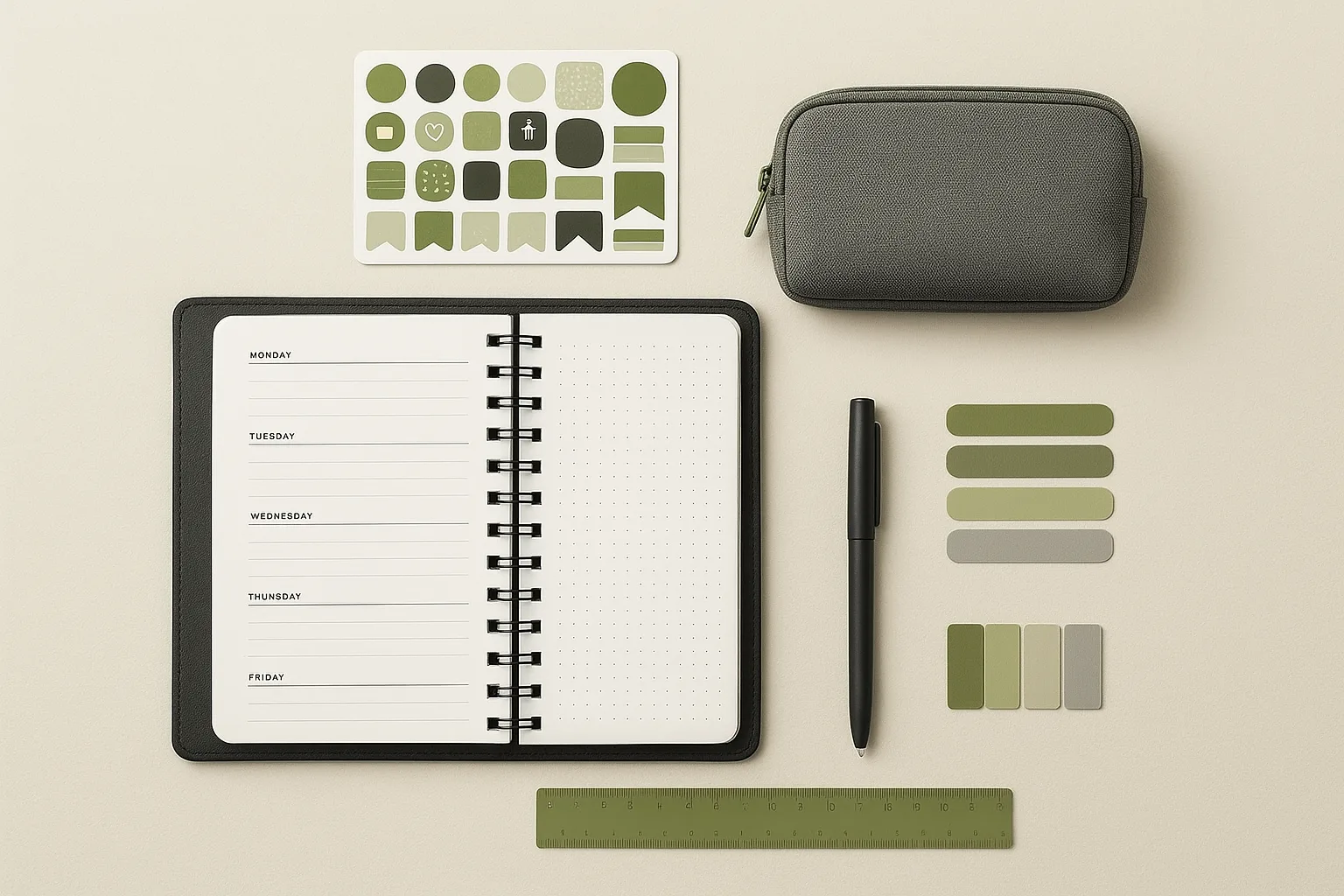
The OEM paper and notebook making process is very important. It helps create products that fit different customer needs. This industry is growing fast. The global market for OEM paper and notebooks was worth USD 76.28 billion in 2025. It is expected to grow to USD 89.72 billion by 2030. Here are the main steps in this process:
Stage | Description |
|---|---|
Ideation | The design starts with creativity. This includes sketches and digital drawings. |
Material Selection | Picking materials like vegan leather or printed paper affects looks and strength. |
Prototyping | Making a prototype helps check the design and user experience before full production. |
Custom Printing | Adding designs and custom features using different printing methods makes it more attractive. |
Knowing these steps helps you see how quality and new ideas come together in making PAPER & Notebooks.
Key Takeaways
Learn about the OEM notebook making process. This includes coming up with ideas, choosing materials, making prototypes, custom printing, and checking quality.
Pick the right materials for covers and paper. This will make the notebook look good and work well for customers.
Choose the best printing method for your order size. Offset printing works well for big orders. Digital printing is better for smaller ones.
Select a binding method that works for you. Spiral binding is strong and flexible. Perfect binding looks more professional.
Know about MOQ and lead time. Plan your orders based on what you want and possible delays in making and shipping.
Artwork
Concept Development
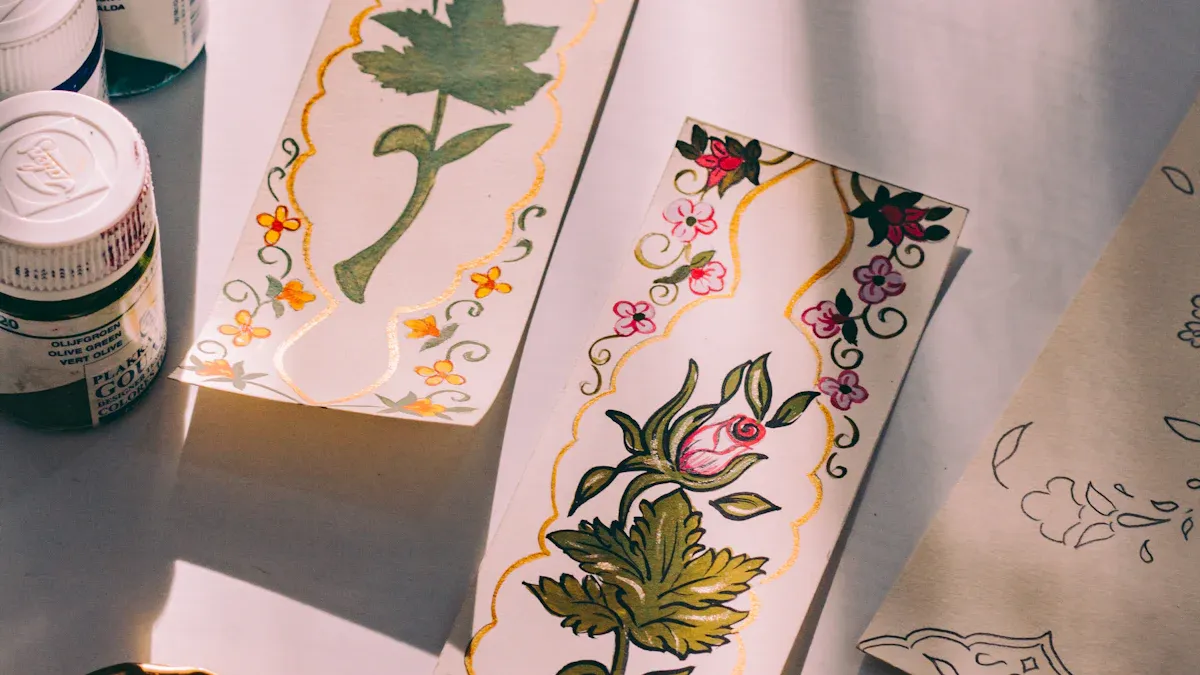
Design is very important in making PAPER & Notebooks. It sets the mood for the whole product. You start with concept development, where creativity shines. This step includes brainstorming ideas, sketching early designs, and improving them into a clear vision. Working with skilled design teams from Europe and the USA, Shinyyou makes sure that new designs match market trends and what customers want. This teamwork improves the quality of the final product, making it more attractive to buyers.
Digital Design Tools
In our digital world, many tools help with the design process. Here are some popular digital design tools used for OEM notebook artwork:
Canva: A simple tool for making different designs, like ebooklets, PDFs, and social media graphics.
Adobe Photoshop: A strong image editing program used for fine art prints and detailed photo editing.
Adobe Illustrator: Often used with Photoshop for vector graphics and illustrations.
These tools help designers create amazing visuals that connect with target audiences.
The teamwork between Shinyyou and design teams brings many benefits that improve product quality. The table below shows these benefits:
Benefit | Impact on Product Quality |
|---|---|
Improved Communication | Makes sure everyone agrees on quality expectations. |
Integrated Processes | Cuts down on mistakes by making workflows smoother. |
Continuous Feedback Loops | Lets teams make quick changes to boost quality. |
By using these tools and encouraging teamwork, Shinyyou makes high-quality PAPER & Notebooks that stand out in the market.
Material Choices for PAPER & Notebooks
When making PAPER & Notebooks, picking the right materials is very important. The materials affect how good the final product looks and feels. You want to choose materials that are nice to look at and fit what your customers want. Let’s look at the different cover materials and paper types that Shinyyou uses in its notebooks.
Cover Materials
The cover of a notebook is the first thing people see. You can pick from many materials, and each one has its own features. Here are some common cover materials used in OEM notebook making:
Paper
Leather
Fabric
Metal
Plastic
Each material has good and bad points. For example, leather feels fancy, while plastic is strong and lasts longer. The materials you choose should match your brand’s goals and what your customers like.
To help you see how strong different cover materials are, here’s a table showing their ratings:
Material | Durability Rating | Additional Notes |
|---|---|---|
Genuine Leather | High | Known for its unique aging process and luxury appeal. |
PU Leather | Moderate | Affordable and easier to maintain than genuine leather. |
Bonded Leather | Low | Economical but less durable than higher-grade leathers. |
Vegan Leather | Moderate | Cruelty-free and environmentally friendly. |
Cloth Covers | Low | May wear out faster and harder to clean. |
Felt | Moderate | Eco-friendly and soft, ideal for protection. |
Hardbound Paper | High | Durable and premium look, suitable for long-term use. |
Softbound Paper | Low | More affordable but less durable than hardcovers. |
Dust Jacket | Moderate | Adds elegance but is not essential for durability. |
Paper Types
The kind of paper you choose for your notebooks really changes how writing feels. Good quality paper makes writing smooth, reduces feathering and ink bleed-through, and affects how fast ink dries. When you use high-quality paper, writing is enjoyable, and you avoid problems that can interrupt writing.
Shinyyou has many types of paper to meet different needs. You can find lined, blank, or grid paper, each for specific uses. Whether you need paper for taking notes, drawing, or planning, choosing the right type makes sure your notebooks meet what users expect.
Printing Techniques
When making PAPER & Notebooks, picking the right printing method is very important. There are two main methods used: offset printing and digital printing. Each method has its own benefits and works best for different needs.
Offset Printing
Offset printing is an old method that is great for high-quality prints. This technique uses metal plates to put ink on paper. Here are some important points about offset printing:
Setup Complexity: The setup is tricky and needs careful plate alignment.
Cost Efficiency: It saves money when printing large amounts, usually starting at 2,000 copies.
Turnaround Time: The setup takes longer, so it has slower turnaround times than digital printing.
Color Quality: Offset printing gives great color quality, perfect for detailed designs.
Digital Printing
Digital printing is faster and more flexible. This method prints directly from digital files, so no plates are needed. Here are its main features:
Minimal Setup: You can print just one copy, which is great for small orders.
Cost-Effectiveness: Digital printing is cheaper for smaller amounts, usually between 100 and 300 units.
Faster Turnaround: The quick setup means faster production times.
Material Compatibility: Digital printing works with many types of materials, fitting various notebook designs.
To show the differences between these two printing methods, look at this table:
Feature | Offset Printing | Digital Printing |
|---|---|---|
Setup | More complex, requires metal plates | Minimal setup, starts at 1 copy |
Cost | Higher upfront cost for large volumes | Lower cost for short runs |
Volume Suitability | Best for short runs | |
Turnaround Time | Longer due to setup | Faster turnaround |
Color Representation | High quality, but limited sheet sizes | High quality, flexible sheet sizes |
Material Compatibility | Limited to specific materials | Compatible with a wider range of materials |
Shinyyou focuses on high-quality printing in both methods. The brand uses advanced technology and skilled workers to make sure every notebook meets high quality standards. By choosing the right printing method based on order size and design, Shinyyou ensures that your PAPER & Notebooks look professional and attractive.
Binding Methods
Spiral Binding
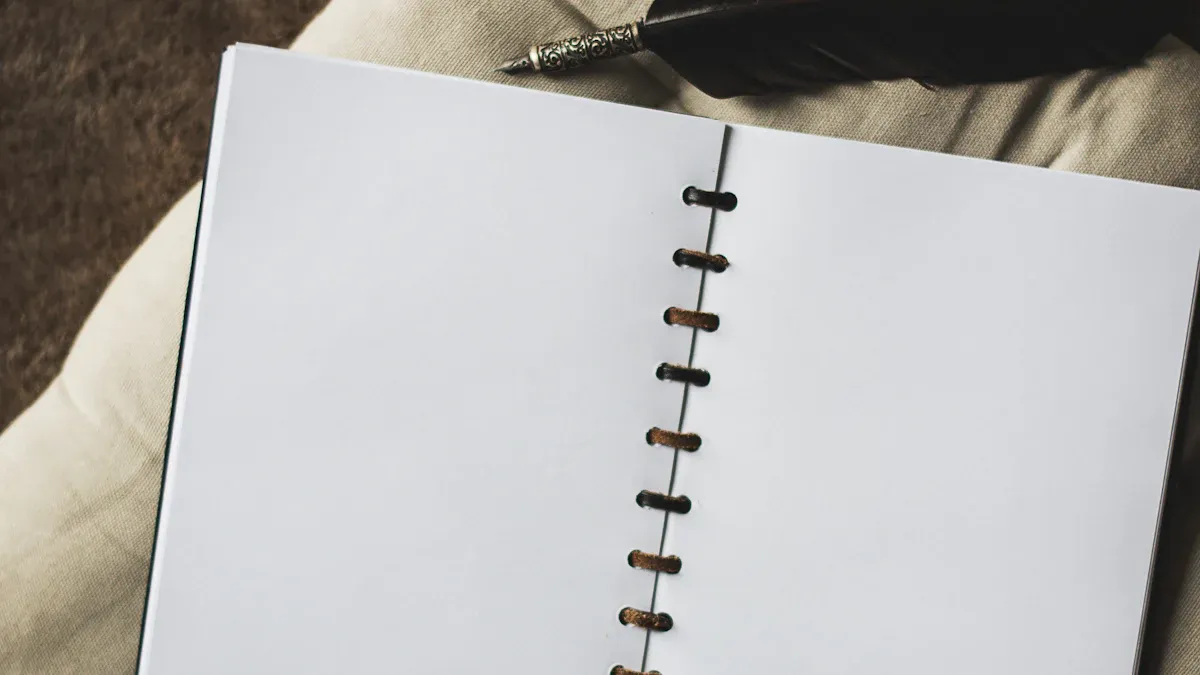
Spiral binding is a popular choice for notebooks. This method makes holes along the edge of the pages and threads a coil through them. Here are some important points about spiral binding:
Durability: Spiral binding is strong. It can handle frequent use without breaking.
Usability: Notebooks with spiral binding lay flat when open. This makes it easy to write or draw on the whole page.
Lifespan: Spiral-bound notebooks are made for opening and closing many times. They stay in good shape over time, making them useful in different situations.
But there are some downsides. The coils can get crushed, and they may look less formal than other types of binding.
Perfect Binding
Perfect binding is another common method. This process glues small groups of folded pages together at the spine. Here’s what you should know about perfect binding:
Cost-Effectiveness: Perfect binding is often cheaper for larger print runs. It looks professional, making it good for business use.
Usability: While perfect-bound notebooks look nice, they do not lay flat when open. This can make writing a bit harder, especially for those who like to write across the whole page.
Here’s a comparison of the two binding methods:
Binding Method | Advantages | Disadvantages |
|---|---|---|
Spiral Binding | Durable, lays flat, ideal for frequent use | Coils can get crushed, less formal appearance |
Perfect Binding | Cost-effective, professional appearance | Less durable, does not lay flat when open |
Choosing the right binding method affects how you use your notebooks. Spiral binding offers flexibility and strength, making it great for workbooks and planners. Perfect binding looks nice but may not work as well for active use. Knowing these differences helps you pick the best option for your needs.
Quality Control
Quality control is very important in making notebooks. It makes sure that every product is good before it gets to you. Shinyyou uses strict quality checks to keep high standards during production.
Inspection Processes
While making notebooks, Shinyyou does many inspections to ensure quality. Here are some key steps:
Regular Inspections: Inspectors look at products at different stages to find problems early.
Periodic Testing: They test materials used in making notebooks to check quality.
Delivery Inspections: When products arrive, they are checked to make sure they meet requirements.
These steps help you get notebooks that are strong and reliable.
Testing Standards
Shinyyou follows strict testing standards to keep the quality of its notebooks high. Here are the main rules they follow for quality checks:
Material Selection: They pick materials that are strong and work well.
Dimensional Tolerances: Specifications show the allowed differences in size and shape.
Functionality Requirements: They set performance rules, including usability and safety.
Shinyyou’s commitment to international standards is clear in their certifications. Here’s a summary of important certifications:
Certification | Description |
|---|---|
The main standard for quality management systems, focusing on customer satisfaction and improvement. | |
ISO 14001 | Sets requirements for a good environmental management system. |
ISO 45001 | Focuses on health and safety management systems to keep workers safe. |
ISO 27001 | Relates to information security management systems, ensuring information is kept safe and private. |
ISO 22301 | Deals with business continuity management, helping organizations prepare for unexpected events. |
By following these standards, Shinyyou makes sure you get high-quality notebooks that meet your needs and expectations.
Packaging Options
Packaging is very important for how products look. It protects your notebooks and makes them more appealing to buyers. Good packaging can really affect whether people buy your product. A survey by the Paper and Packaging Board found that 72% of customers think packaging design affects their buying choices.
Eco-Friendly Packaging
Shinyyou cares about the environment. The brand offers eco-friendly packaging that meets modern standards. You can pick materials that can be recycled or break down naturally. This choice helps reduce waste and attracts customers who care about the planet. By choosing eco-friendly packaging, you help the Earth and improve your brand’s image.
Retail Packaging Solutions
For retail packaging, Shinyyou has many options to fit different needs. Here are some popular types of packaging for OEM notebooks:
Packaging Type | Description | Price (250 Units) | Price (1,000 Units) | Price (5,000 Units) |
|---|---|---|---|---|
Vertical Rip Box | Smart box made of corrugated material with a tear. | £4.60 | £2.10 | £1.45 |
Card Matchstick w/ Borders | Holds one notebook in a slip case. | £4.60 | £2.20 | £1.30 |
Lidded Paper Over Board | Classic shape that feels premium. | £5.10 | £2.90 | £2.10 |
Premium Card Clamshell | Clean and strong with a nice finish. | £5.20 | £2.95 | £2.30 |
Premium Cloth Clamshell | Luxury option in different cloth styles. | £5.70 | £3.00 | £2.40 |
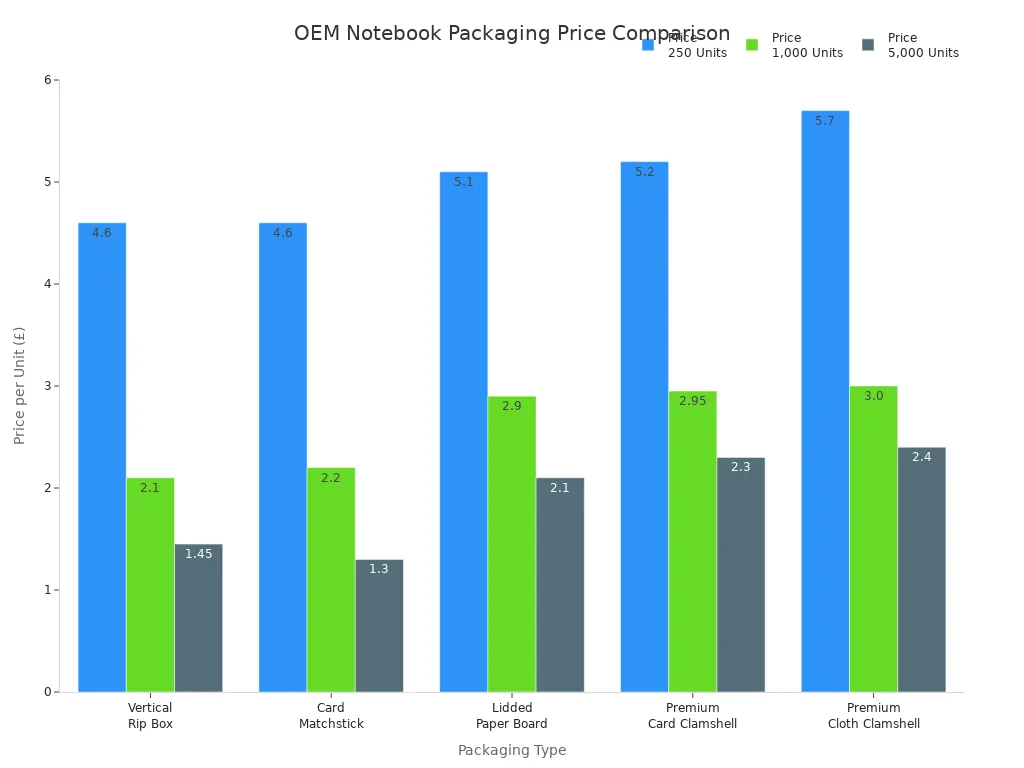
These packaging choices not only keep your products safe but also make them look better. Remember, 60 to 90% of buying choices are affected by colors on packaging. Picking the right packaging can really help attract customers.
By knowing how important packaging is and choosing the best options, you can boost your brand and make sure your notebooks stand out in the market.
MOQ and Lead Time for PAPER & Notebooks
Understanding MOQ
Minimum Order Quantity (MOQ) is very important when you want to order OEM PAPER & Notebooks. It tells you how many units you need to make. For Shinyyou’s products, the MOQ changes based on what you want:
For basic customization, like putting a logo on the cover, the MOQ starts at 500 pieces.
For full customization, which includes the inner pages and packaging, the MOQ is usually 1,000 pieces.
Most custom-designed notebooks, planners, and journals have an MOQ between 1,000 and 2,000 pieces.
The materials you choose also affect the MOQ. For example, simple perfect-bound notebooks can have an MOQ as low as 50-100 units, while more complex case-bound orders often start at 500 units. Knowing these amounts helps you plan your orders better.
Factors Affecting Lead Time
Lead time is the time it takes from when you place an order to when you get the finished products. Several things can affect lead time in notebook production:
Stockouts: If needed parts and inventory are not available, production can stop, making lead times longer.
Lead Time Variability: Unreliable delivery times from suppliers can make scheduling harder.
Shipping Delays: Unexpected transportation problems can cause big delays.
Unnecessary Processes: Doing all production steps in-house can slow down the whole process.
Inefficient Inventory Control: Poor inventory management can lead to production delays.
Seasonal demand changes can also affect lead times. Weather changes, supplier plant shutdowns, and employee vacations can disrupt the supply chain. By understanding these factors, you can better predict demand and adjust your inventory levels, making lead times for your OEM notebook orders better.
In the OEM paper and notebook making process, every step is important for making a great product. Here are the main steps to remember:
Ideation: Begin with creative ideas using sketches and mood boards.
Material Selection: Pick materials that look good and are strong.
Prototyping: Make prototypes to improve design and user experience.
Custom Printing: Add special designs and personal touches.
Cutting and Assembly: Make sure cutting and binding are done accurately.
Quality Control: Perform strict checks to keep high standards.
Packaging: Use careful packaging to make the unboxing exciting.
By focusing on each step, you can greatly enhance your notebook’s look and use. This attention to quality will help you shine in the busy market.
FAQ
What is the typical MOQ for Shinyyou notebooks?
The minimum order quantity (MOQ) for regular products starts at 500 pieces. For fully customized notebooks, the MOQ usually falls between 1,000 and 2,000 pieces.
How long does it take to receive my order?
The standard lead time is usually 30-45 days after you confirm your order and approve the sample. If you have urgent orders, they can be done in 20-25 days, depending on how busy production is.
Can I customize my notebook design?
Yes! You can change your notebook design, including adding your logo and matching colors. Shinyyou has many options to fit your branding needs.
What types of paper are available for notebooks?
Shinyyou offers different types of paper, like lined, blank, and grid paper. Each type is made for different writing and planning needs.
Are Shinyyou notebooks eco-friendly?
Yes, Shinyyou provides eco-friendly materials and packaging choices. The brand cares about sustainability and wants to reduce its impact on the environment.