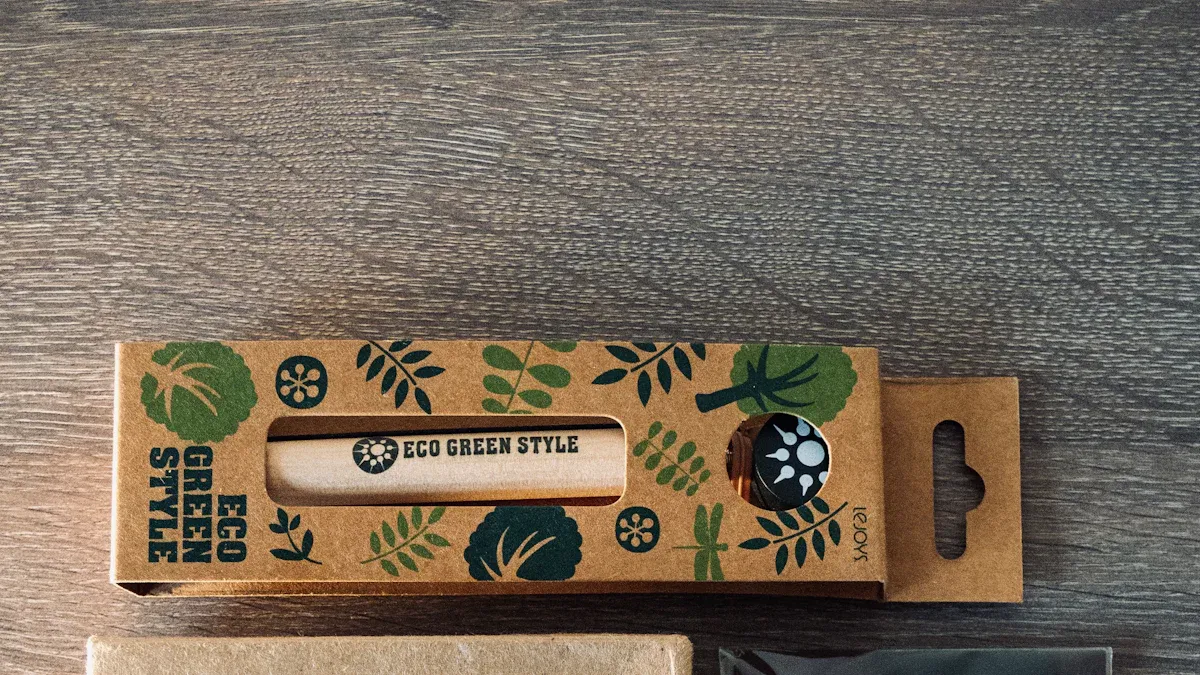
Making a new stationery product is fun. It is also hard. It needs more than just a first idea. It takes a careful process. Shinyyou makes sure things are good. They design with care in everything. This post shows the steps. It includes how important packaging is. You will see how Shinyyou works. They use almost 20 years of experience.
Key Takeaways
Shinyyou uses a careful 5-phase plan to make new stationery products. This plan takes 31 to 36 weeks from start to finish.
Product ideas begin with market trends and user needs. Shinyyou uses its 20 years of knowledge to find special product spots.
Packaging is very important from the start. It keeps products safe and makes opening them fun for customers.
Shinyyou tests products with real users. They also do lab tests to make sure products are strong and last a long time.
Shinyyou checks product quality many times. They do this at every step of making the product in their own factory.
Phase 1: Shinyyou’s Concept & Research (Weeks 1-4)
Shinyyou’s Creative Generation Style: Drawing Inspiration from Market Trends and User Lifestyles, and Conducting Systematic Brainstorming.
The trip starts with new ideas. Teams get ideas from trends. People want green products. They also like digital tools. Good looks and use are key. These trends guide new products. Brainstorming helps make ideas better. SCAMPER helps make ideas clear. Starbursting asks early questions. Mind maps sort big ideas. These ways ensure a full plan.
Deep Market Research and Feasibility Analysis: Using Shinyyou’s Industry Insights to Evaluate Market Potential and Unique Creative Positioning.
Shinyyou uses 20 years of knowledge. This helps check market chances. It finds a product’s special spot. The team looks for market holes. They learn about the buyers. This study makes sure products help. It also shows they can sell.
Defining Shinyyou Product Specifications: Clarifying Core Functions, Materials, and User Experience to Lay the Foundation for Development.
The team sets product rules. They make main uses clear. They pick materials with care. Earth-friendly items are often first. Recycled paper and bamboo are some. These items cut down trash. They also use less power. The team thinks of the user. This builds a strong base.
Preliminary Packaging Concept Ideas: Initiating Packaging Creative Work Simultaneously to Ensure Integration with the Product Concept.
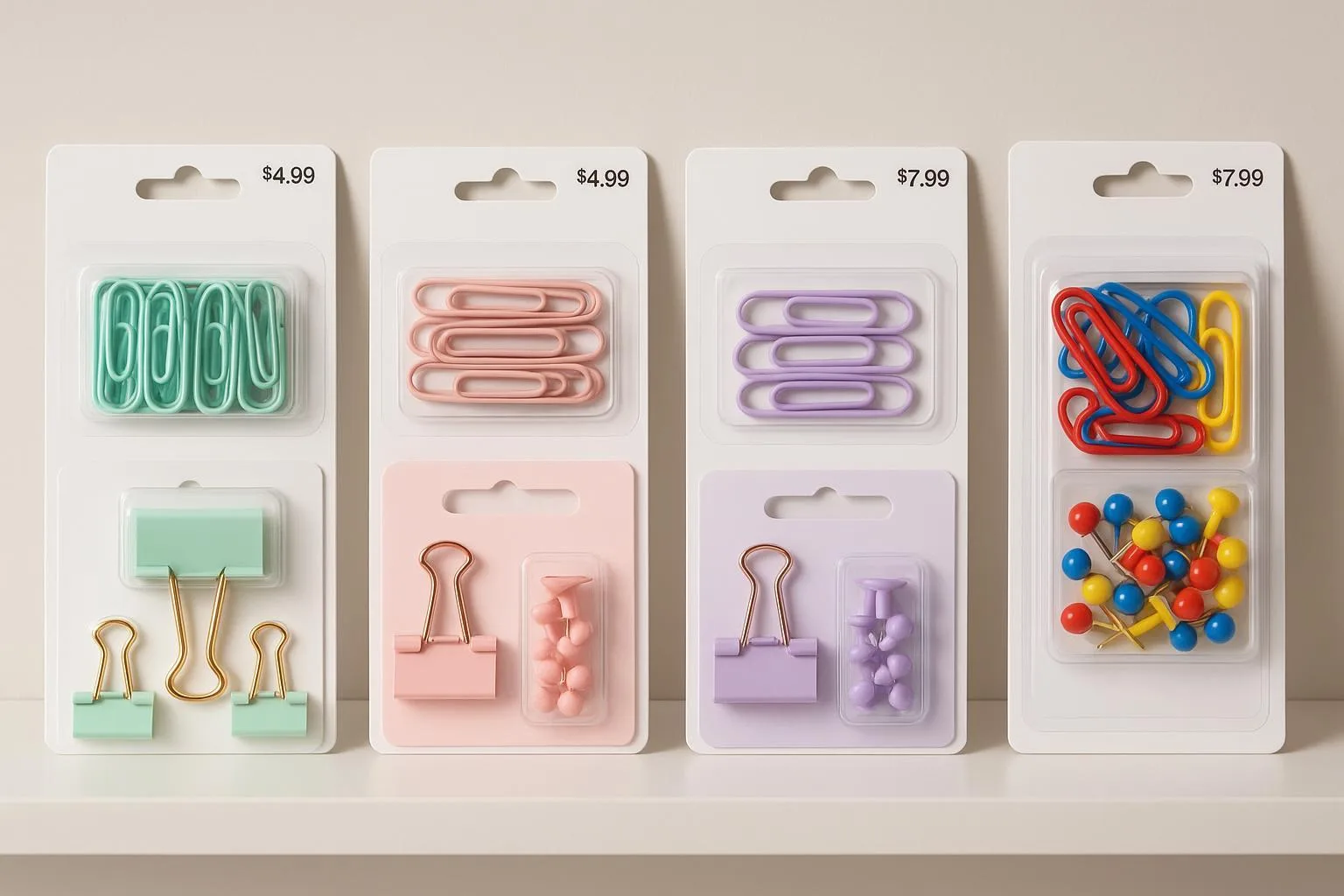
Packaging ideas start soon. This links it to the product. Primary packaging holds the item. Secondary packaging is the outside. Tertiary packaging is for big loads. Designers think of pictures. Logos and art show the brand. Different looks get attention. Words show facts clearly. Drawings get people interested. For example, Green uses paper trays. It also has clear lids. Lemon uses plastic boxes. Pixel & Chomp use hang tags.
Phase 2: Shinyyou’s Design and First Models (Weeks 5-12)
Product design and engineering: Shinyyou designers work with engineers. They make ideas into exact drawings. They also make 3D models.
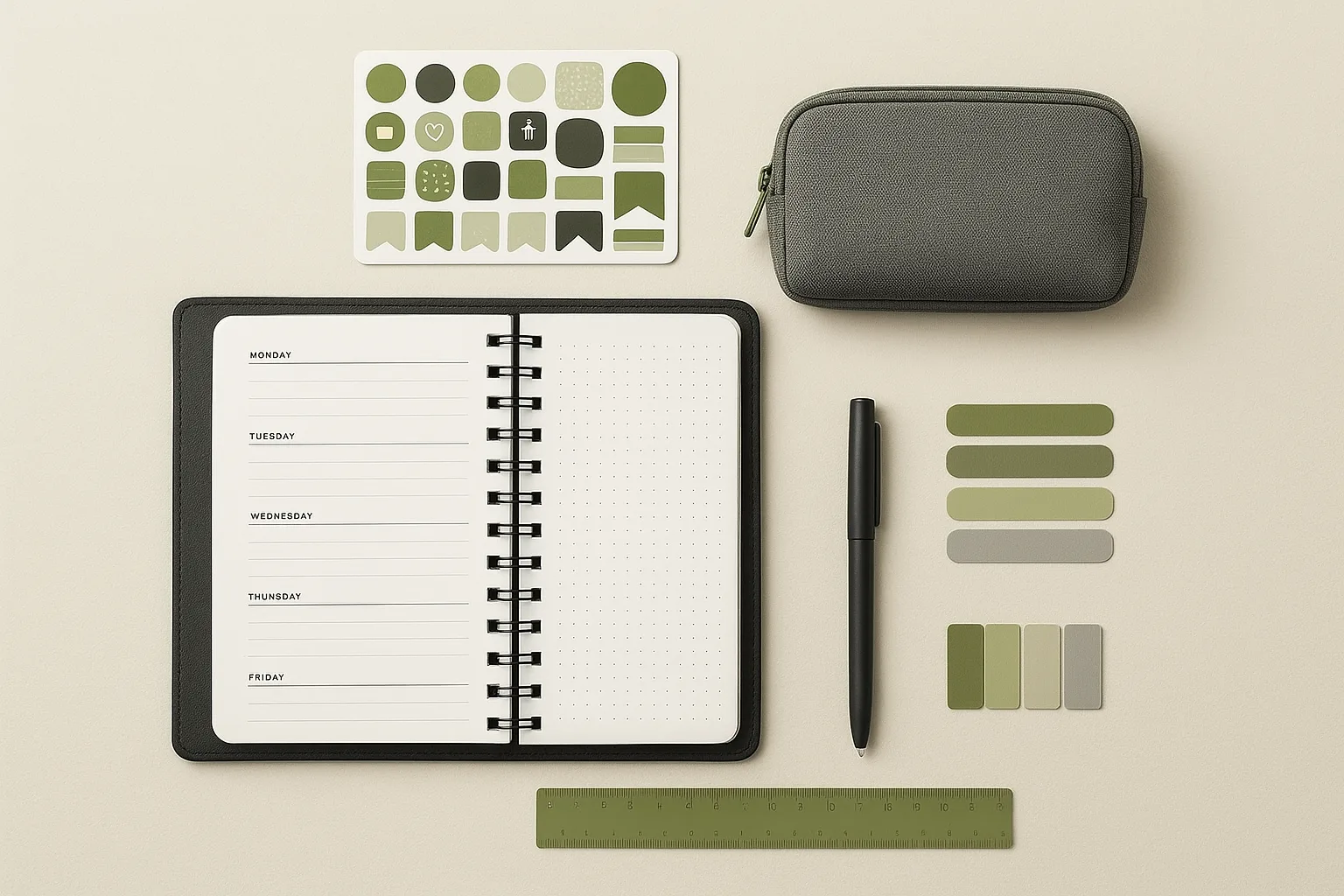
Designers at Shinyyou work with engineers. They change ideas into plans. These plans are 2D drawings. They are also 3D models. They use special computer tools. SketchUp helps make 3D designs. It shares them with care. Shapr3D makes models. They are ready for making. Designers pick materials well. For example, Green Collection uses metal. It also uses ABS, plush, or PU. Lemon Collection uses cardboard. It uses 128gsm paper. Pixel & Chomp Collection has canvas. It has polyester and silicone. These choices make things pretty. They also make them strong.
Packaging Look and Design: Matching Packaging with Brand Aesthetics for an Enjoyable Unboxing Experience.
Packaging design happens now. It looks like the product. Good packaging makes opening fun. It makes people excited. All packaging shows the brand. This helps people trust it. They see the logo and colors. Pretty packaging makes people buy. It makes them feel happy.
First Product and Packaging Models: Creating the Initial Physical Models to Realize the Concept.
Next, teams make samples. These are called prototypes. They make the product. They also make its package. Holding it helps see the idea. Making these costs money. A simple one costs thousands. Harder ones cost more. Packaging models also cost money. This includes tools and samples.
Shinyyou Review and Iteration: Reviewing the Model and Gathering Initial Key Feedback.
After models are ready, teams check them. Many people look at them. They are from different groups. This gets many ideas. They ask people with different skills. This gives a full view. They share goals and papers. This helps everyone give good ideas. They also get ideas often. This helps make the product better fast.
Phase 3: Shinyyou’s tough tests and smart fixes (weeks 13-20)
Testing with Real Users and Gathering Feedback: Real People Try It, and We Get Their Honest Opinions.
Shinyyou asks real users to test. They try new products. We get direct ideas. User Interviews ask questions. They help us learn. We see user problems. Field Studies watch users. They are in their normal places. This shows real life. Focus Groups talk together. They share ideas about the product. Surveys ask many questions. They get facts on feelings. Diary Studies watch users over time. Usability Testing checks how well it works. These ways help make things better. They improve the product. They also improve the packaging. Deep talks check user needs. Data shows what users do. Customer desk data gets ideas.
Shinyyou Durability and Quality Checks: We Test How Long Things Last in a Lab.
Shinyyou makes sure things are good. It has special papers. These are like ISO 9001. They are also FSC and BSCI. These papers mean good quality. They mean good ways of working. Lab tests check how long things last. These tests check surfaces. They check how much they wear. They check school supplies. They see how much they rub. Kids’ pens are checked for bites. Notebooks are checked for squishing. Books are checked for binding. Glues are checked for sticking. Pens are checked for ink flow. Erasers are checked for erasing. Inks are checked for water. Colors are checked for light. Pencil cases and brushes are good. They meet high rules.
Design Iteration and Finalization: We Use Ideas from Tests to Perfect the Product.
Ideas from tests help us. We make designs better. Teams change the product. They also fix the packaging. This keeps going. It goes until it is perfect. Designers change parts. They make materials better. They make sure it helps users. The packaging also gets new looks. It must keep the product safe. It also needs to look nice.
Shinyyou Cost Analysis and Production Preparation: We Calculate All Costs and Begin Procuring Main Components.
We count all the costs now. This includes material cost. It covers wood. It also covers oil for machines. Worker cost is another part. This includes people making things. It also includes people checking quality. Extra costs are also counted. This covers factory rent. It covers other costs too. This helps set prices. It helps get ready to make things. Buying main parts starts now.
Phase 4: Shinyyou’s Careful Making and Big Production (Weeks 21-30)
Tooling and Mold Creation: We Create High-Quality Molds to Ensure Consistency.
This part starts with making tools. We also make molds. Good molds are very key. They make sure things are the same. These molds are often strong steel. They are for making many items. Making them takes time. It can take 8 to 20 weeks. Many things change this time. The mold’s design is one. How many parts it makes also matters. Fancy parts take more time. How smooth it is adds time. Testing it also adds time. Strong tools save money later.
Shinyyou Production Trials: We Produce a Few Items to Check Functionality.
Next, Shinyyou tries making things. This is a small test. It checks how we make things. It also checks product quality. This step makes sure things work well. It finds problems early. This check makes sure products are good.
Continuous Quality Control: Shinyyou’s Team Checks Everything to Ensure Product Excellence.
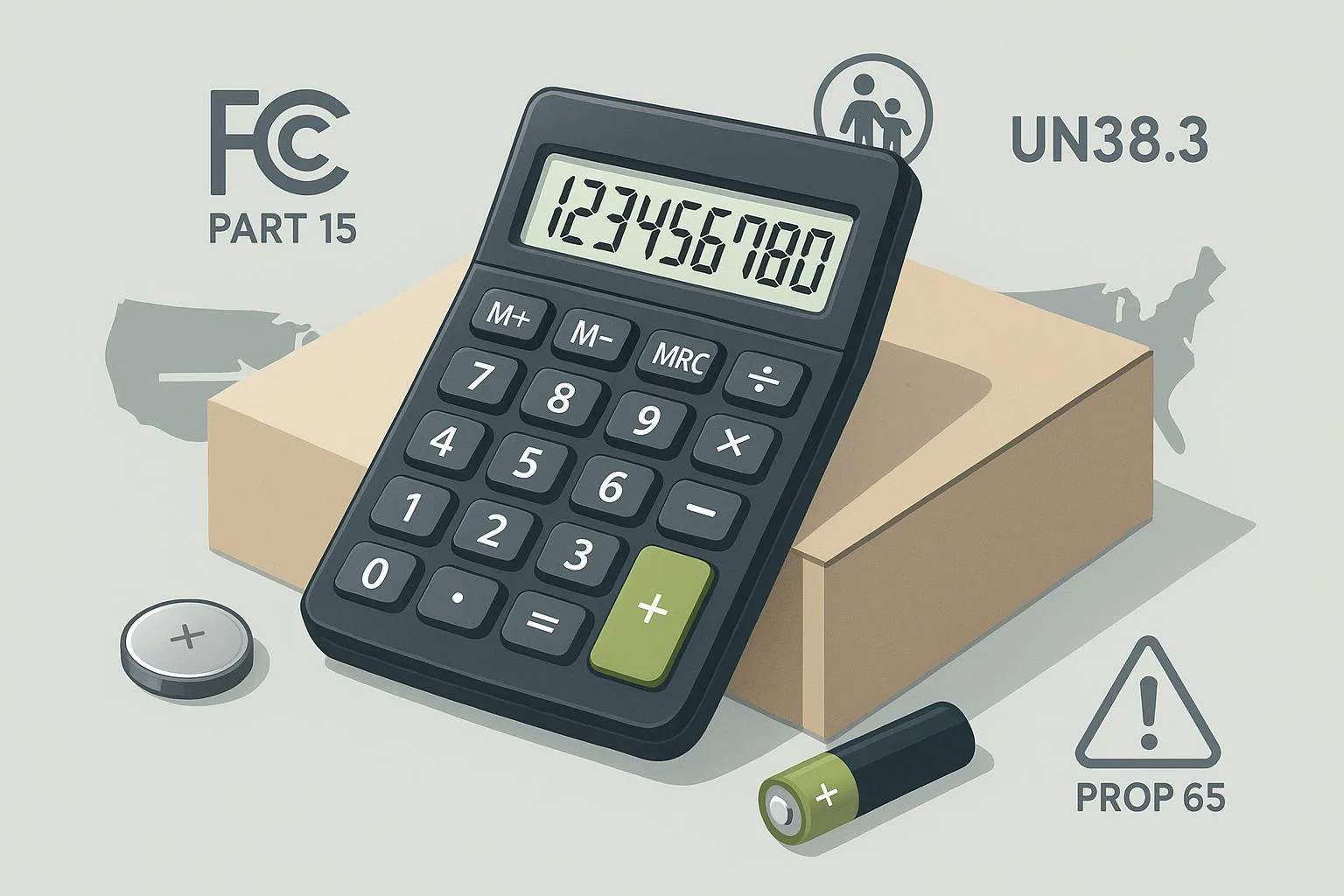
Shinyyou has its own factory. This helps control quality. A special team checks many times. They check products at different steps. They check at the start. They check during making. They check a few at the end. Inspectors sort out mistakes. They call them big or small. They use AQL to pass or fail. They check size and labels. They check how strong the box is. They also check what is inside. They drop boxes to test them. They check if things work. Products also meet world rules. These are like REACH and CPSIA.
Initiating Mass Production: When Ready, We Manufacture Many Items, Turning Ideas into Real Products.
After all checks, we make many. The whole line starts working. Ideas become many real products. This part can be hard. Some material can be wasted. Shinyyou makes plans better. This helps waste less. Machines must be set right. Regular care stops bad cuts.
Phase 5: Shinyyou’s Marketing & Launch (Weeks 31-36)
Integrated Marketing Strategy Development: Creating a Comprehensive Plan to Launch New Products and Build Excitement.
Shinyyou makes a full plan. This plan makes new products exciting. It looks at the market. It learns about customers. A clear message shows product good points. A smart plan covers before launch. It covers launch and after launch. It uses online ads. It uses social media. A fun launch event gets notice. A good plan makes products easy to find. Shinyyou also gets customer ideas. This helps make products better. Talking inside helps teams agree. Planning ahead checks ideas. It checks problems. Teams plan teasers. They plan promotions. Keeping teams happy helps work go well.
Professional Photography and Content Creation: Capturing Great Product Photos and Crafting Creative Content to Showcase Product Beauty and Value.
Shinyyou makes strong pictures. They write good words. They take “hero shots.” These shots tell a story. They bring customers in. Photos are happy. They are clean and bright. They are also fun. They are kid-friendly. Props help the story. They do not distract. Pictures have good light. They are clear. Products are set up well. Shinyyou uses digital pictures. Stationery is light. It is easy to send. It is fun to style.
Shinyyou Distribution and Logistics Deployment: Collaborating with Partners to Ensure Products Reach All Destinations.
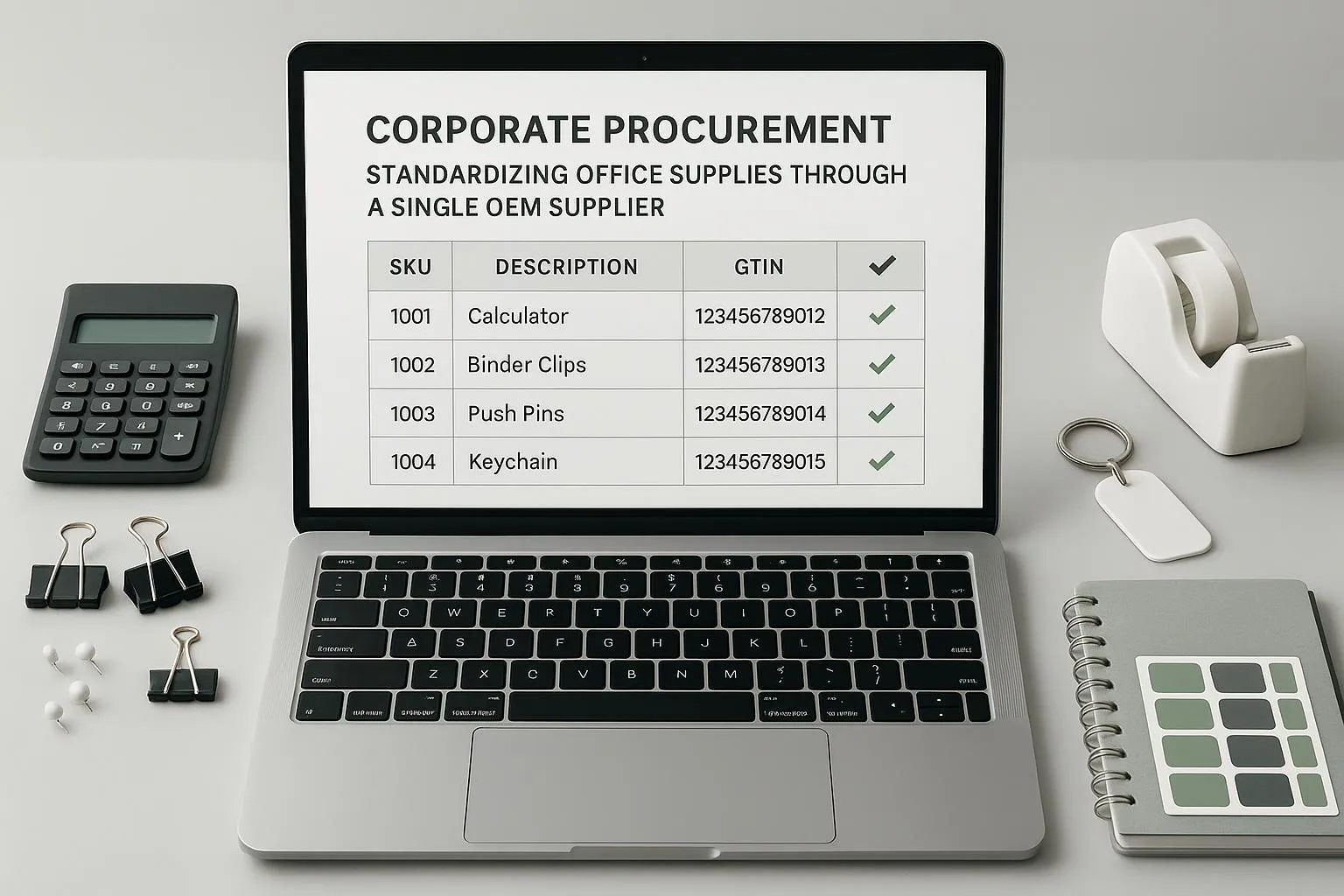
Shinyyou works with others. This gets products to buyers. The company is a trusted partner. They make custom brands. They make custom packages. Shinyyou’s showroom has 5,000 items. These are from 50 groups. This shows many choices. Shipping gets products to stores. It gets them online too.
Official Product Release and Launch: Grandly Launching New Products, Welcoming Market Scrutiny and User Acclaim.
Shinyyou launches new products. They welcome market checks. They welcome user praise. They check success with key signs. Money earned shows success. Market share shows how much sells. Win rate shows how well it does. Ideas from sales teams help. Ideas from marketing teams help. Ideas from customers help. This helps make future products better.
Shinyyou makes products with care. They pay close attention to packaging. This shows Shinyyou loves new ideas. They care about good quality. They want happy customers. Every step is important. From start to finish, it matters. Try Shinyyou stationery. Each item shows their promise. Green, Lemon, Pixel & Chomp. Arts & Crafts too. They are good quality. They are trendy. They are for everyone.
FAQ
How long does Shinyyou’s product development take?
Shinyyou takes 31 to 36 weeks. This is for making new products. It covers ideas and designs. It includes testing and making. It also covers selling. Each step is done with care. This makes sure products are good.
What certifications does Shinyyou hold?
Shinyyou has special papers. These are like ISO 9001. They also have FSC and BSCI. These papers mean good products. They mean good packaging. They show fair work. Shinyyou follows strong rules.
How does Shinyyou ensure product quality?
Shinyyou checks quality a lot. They test things hard. They own their factory. Users test products. They test how long things last. A team checks quality always. This makes sure products are good.
What role does packaging play in Shinyyou’s process?
Packaging is very important. It starts right away. Designers make package ideas. They do this with product ideas. Packaging keeps products safe. It matches the brand. It looks good on shelves. It makes opening fun.
Can Shinyyou customize products for other brands?
Yes, Shinyyou works with brands. They make special items. They make special packages. Their showroom has 5,000 items. These are from 50 groups. This gives many choices. They meet business needs.