Sustainability is now a must-have in B2B. You should know that 80% of B2B buyers paid extra for their last sustainable purchase. Many corporate buyers want to spend more with sustainable suppliers. In fact, half of them might stop using suppliers who do not meet sustainability standards soon. This change makes companies look for products that match their social responsibility goals. The Shinyyou “Green World” Collection meets this need by balancing ecology, design, and quality well, offering a range of sustainable stationery that aligns with modern business values.
Key Takeaways
Sustainability is very important in B2B. Most buyers, about 80% want to pay more for eco-friendly products. So, working with sustainable suppliers can improve your business relationships.
Using eco-friendly materials like recycled paper and plant-based inks helps the environment. It also makes your product quality better, which makes your stationery unique.
Customizing your stationery with sustainable choices can boost your brand identity. It also helps you meet your corporate social responsibility goals.
Having standard operating procedures (SOPs) makes sure you have high quality and sustainability in production. This helps you follow global standards.
Changing to sustainable stationery can lower long-term costs and waste. This leads to a healthier planet and a better brand reputation.
Green Product Innovation & Design
Sustainable stationery starts with the right materials. You can find many eco-friendly choices. These options help the environment and improve your products’ quality. Here are some common materials used in sustainable stationery:
Material Type | Description |
|---|---|
This paper comes from used paper products. It needs less energy and water. It also keeps waste out of landfills. | |
Plant-Based Materials | These come from renewable sources like cotton, hemp, and bamboo. They break down easily and use fewer resources. |
Eco-Friendly Inks | These inks are made from renewable things like soy and vegetable oil. They are safe for the environment. |
Using these materials has many benefits for the environment. For example, sustainable stationery saves natural resources by using recycled materials. This means we need fewer new raw materials, which helps protect forests and uses less water. Also, eco-friendly manufacturing makes less pollution, leading to cleaner air and a healthier planet. You also create less waste because recycled and biodegradable items break down naturally, which helps reduce landfill waste.
Design and Innovation
The design of sustainable stationery is very important too. Design teams in Europe and the USA help with this innovation. They work on making products that meet high environmental standards and attract consumers. Here’s how they help:
Region | Contribution to Innovation in Sustainable Stationery Products |
|---|---|
Europe | EU rules set environmental standards for making paper and using plastic. |
North America | CPSC rules make sure children’s stationery is safe and non-toxic. |
General | Using eco-friendly materials, smart packaging, and working with NGOs improves sustainability. |
These teams focus on eco-friendly materials and creative packaging. They work with NGOs to boost sustainability efforts, making sure their products follow global compliance rules.
Translating Trends into Products
You might wonder how trends affect the design of sustainable stationery. Here are some important trends shaping the market:
Sustainability: More people want eco-friendly materials like recycled paper and biodegradable products.
Personalization: Custom items, like monogrammed journals, are becoming more popular.
Hybrid Solutions: Products that mix paper and digital tools, like smart planners, are gaining popularity.
These trends show that consumers care more about environmental issues. Brands are creating luxurious, sustainable products that look good and work well. This attracts younger buyers who care about the environment and businesses that need to follow new rules.
By following these trends and innovations, you can make sure your stationery choices match your values and help the environment.
From Factory Floor to Global Shelf
The Own Factory Imperative
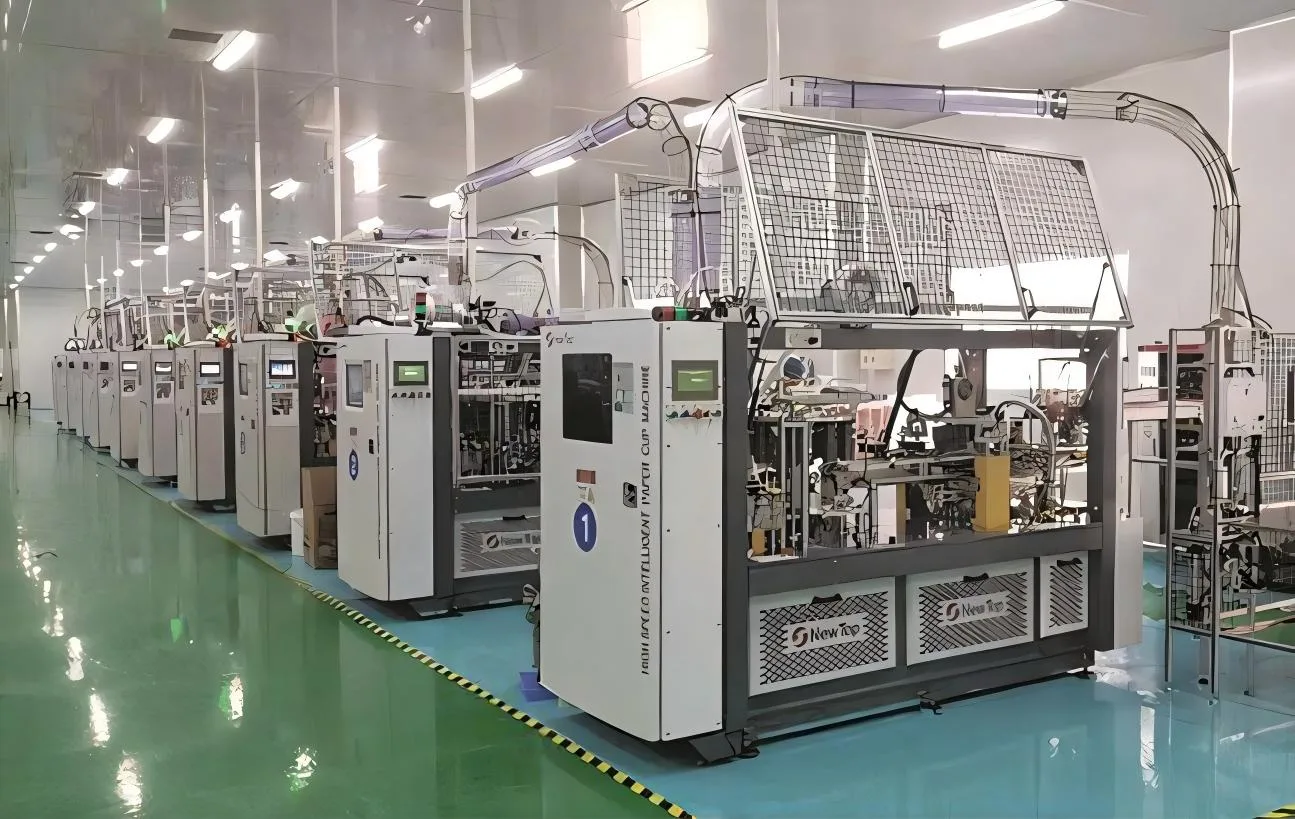
Owning the manufacturing process has many benefits for sustainable stationery brands. Here are some key advantages:
Supporting Local Economies: Buying from local manufacturers helps create jobs and grow communities.
Faster Delivery and Better Customization: Local production means quicker delivery and products made just for you.
Ensuring Higher Quality and Accountability: Local manufacturers keep a close eye on quality and are open about their processes.
Eco-Friendly Practices and Reduced Carbon Footprint: Making products nearby cuts down on shipping emissions and supports green practices.
Building Stronger Partnerships: Working with local manufacturers builds trust and long-lasting relationships.
Promoting Innovation: Local manufacturers can quickly change to meet what consumers want and create new products.
Standard SOP Quality
Standard Operating Procedures (SOPs) are very important for keeping quality high in sustainable stationery making. Here are some key areas covered by our SOPs that help keep standards up, ensuring comprehensive control over quality and sustainability:
SOP for Raw Material Compliance and Inspection
SOP for Material Storage and Traceability
SOP for Manufacturing Quality Control Checks
SOP for Final Product Quality Assurance
SOP for Waste Disposal and Recycling
SOP for Sustainable Process Training
By using these SOPs, you can watch over all parts of production and distribution. This helps make sure your products are high quality and sustainable.
Compliance as the Guarantee
Following international standards is very important for sustainable stationery products. Certifications like FSC (Forest Stewardship Council) and ISO 14001 offer big benefits. They provide proof from outside sources that product claims are true, showing the sustainability of raw materials. For example, FSC certification ensures that wood and paper come from well-managed forests. This proof helps you avoid getting materials from bad sources.
Evidence | Description |
|---|---|
FSC Certification | Ensures responsible sourcing of paper and wood products, crucial for sustainability in stationery. |
Forest-Friendly Products | Many options for forest-friendly notebooks and stationery are available. |
Global Impact | Millions of products use FSC-certified packaging, helping to protect forests worldwide. |
By focusing on compliance, you keep your brand strong and meet what consumers want in sustainable products.
Sustainable Growth for Your Business

Elevated Brand Reputation
Using sustainable stationery can really boost your brand’s reputation. More businesses want partners that share their corporate social responsibility (CSR) goals. By providing eco-friendly choices, you meet client needs and build trust. Here are some important benefits:
Increased Revenue: A PwC study shows that products with sustainability features can raise revenue by 6% to over 25%.
Differentiation: Offering sustainable options helps you stand out in a crowded market.
Stronger Partnerships: Clients are more likely to stick with partners who support their environmental goals.
Look at these case studies that show better brand image after using eco-friendly office supplies:
Case Study | Key Outcome |
|---|---|
Corporate Offices | Moved to tree-free solutions, boosting brand image without extra costs. |
Law Firm | Enhanced brand image by matching sustainability values of corporate clients. |
Higher Education | Highlighted sustainability efforts, making it part of brand identity and student experience. |
Hospitality | Raised guest satisfaction among eco-friendly travelers due to commitment to sustainability. |
Cost and Risk Management
Switching to sustainable stationery can help you manage costs and risks well. Some think eco-friendly products cost more, but that’s not always true. Here’s a cost comparison between regular and sustainable products:
Product Category | Conventional Products | Sustainable Products |
|---|---|---|
Pens | Made from non-recyclable plastics, adding to waste and high energy use. | Made from recycled materials or renewable resources, often refillable, cutting down waste. |
Notebooks | Made with virgin paper, causing deforestation. | Made from 100% recycled paper or other fibers, lowering demand for virgin materials. |
Folders | Made from PVC, causing long-term pollution. | Made from recycled cardboard or biodegradable materials, providing similar use with less harm to the environment. |
By picking sustainable options, you lessen your environmental impact. This helps the planet and lowers your long-term costs. Many businesses see a 25% drop in waste management costs by using sustainable packaging.
Custom Sustainable Solutions
Custom sustainable solutions let you meet your specific sustainability goals. You can design your stationery to match your brand while being eco-friendly. Here are some ways to customize:
Add logos, brand colors, and messages on stationery for a unified brand look.
Choose from many design options that show your style and preferences.
Look into personalized notepads and custom pens that highlight quality and uniqueness.
By focusing on initiatives based on impact, effort, cost, and industry challenges, you can reach your sustainability goals without losing efficiency. Custom packaging solutions help you stay efficient while promoting sustainability.
To switch to sustainable stationery procurement, follow these steps:
Review your current stationery use and find eco-friendly options.
Teach employees about the benefits of sustainable products through workshops or info materials.
Create a sustainability policy that includes buying guidelines and preferred suppliers.
Work with suppliers who provide eco-friendly options to ensure a steady supply.
Monitor and review progress regularly to boost efficiency.
By taking these steps, you can successfully add sustainable stationery to your business practices, improving your brand reputation and supporting your sustainability goals.
In today’s market, you need to focus on design, quality, and caring for the environment. These parts work together to make sustainable stationery that fits your needs and helps the planet. When you pick eco-friendly products, you help create a healthier environment and improve your brand’s image.
To learn more about the Shinyyou “Green World” Collection, ask for our catalog today. Our team is ready to help you find the best sustainable stationery options for your needs.
FAQ
What materials are used in the Shinyyou Green World Collection?
The Green World Collection uses eco-friendly materials. These include recycled paper, plant-based materials, and eco-friendly inks. These choices help the environment and keep product quality high.
Are the products in the Green World Collection customizable?
Yes! You can customize products in the Green World Collection. You can add logos, brand colors, and personal designs to fit your needs.
How does using sustainable stationery benefit my business?
Using sustainable stationery improves your brand’s reputation. It attracts customers who care about the environment. It can also save you money over time. This helps your business meet modern sustainability goals.
Can I request samples of the Green World Collection?
Absolutely! Shinyyou offers free samples of the Green World Collection. You can check out the products before you decide to buy.
How do I ensure my stationery choices are sustainable?
To ensure sustainability, check the product materials. Look for certifications like FSC. Choose items made from recycled or biodegradable materials. This helps you make smart choices that are good for the environment.