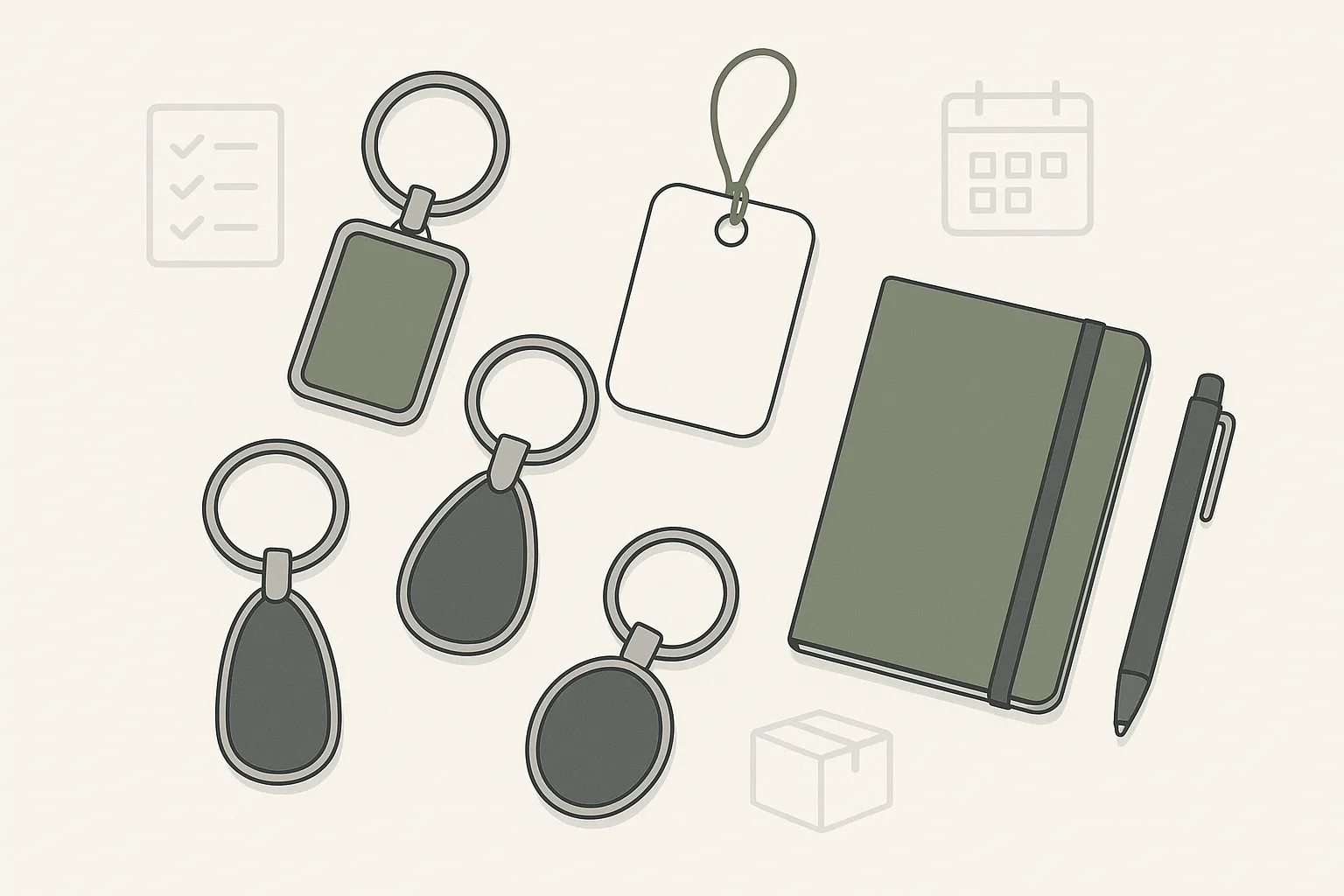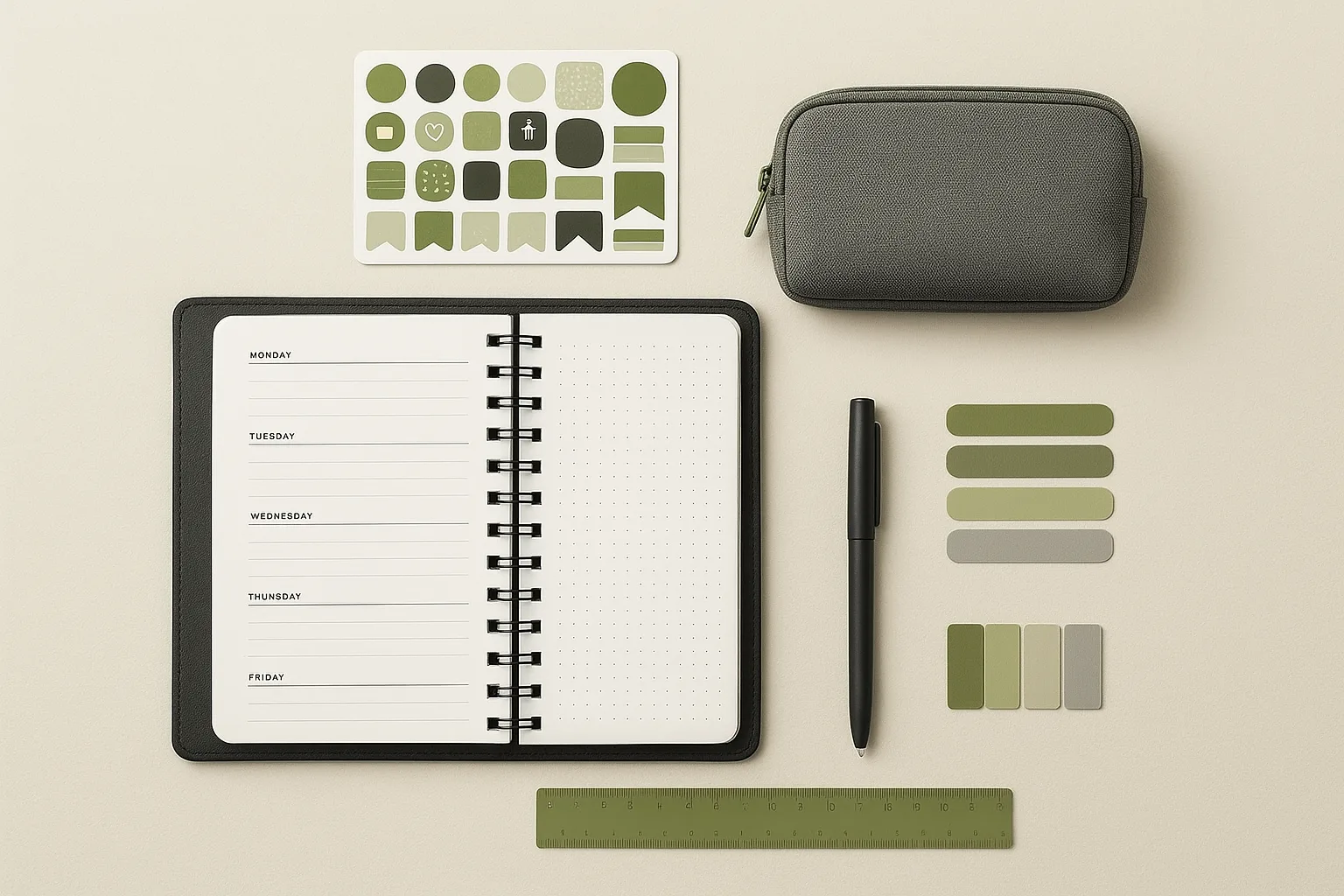
Custom promotional stationery sits in a useful middle ground: it’s practical enough to keep, visible enough to reinforce brand recall, and flexible enough to fit trade shows, onboarding kits, and education programs.
As a dedicated OEM stationery supplier, Shinyyou has spent 20+ years helping brands and promotional buyers turn everyday items like notebooks, pens, and desk accessories into consistent, on-brand touchpoints, with an emphasis on stable quality, customization options, and scalable production.
How custom promotional stationery strengthens brand perception
Custom stationery works because it stays in someone’s routine. When a pen lives in a bag or a notebook sits on a desk, your brand earns repeated “free impressions” in a context that doesn’t feel like an ad. The deciding factor usually isn’t logo size—it’s whether the item is genuinely good enough to keep.
For procurement teams, that leads to a simple rule: choose fewer items, but make each one durable, easy to use, and visually consistent with your brand.
There’s also an emotional value component that buyers often underestimate. A notebook with a satisfying cover texture, a pen that writes smoothly, and a set that feels “designed as one” can make employees feel looked after—and that sense of care tends to reflect back on the brand. For customers and partners, a well-made gift set signals respect and attention to detail, which can quietly improve loyalty and follow-through after the event or meeting.
Just as importantly, stationery design signals what kind of brand you are. A soft-touch cover and restrained colors can read premium; bright colors and playful icons can feel energetic; a grid-and-label aesthetic can feel technical and operational. Whatever direction you choose, consistency matters more than novelty—keep typography, color, and finishes aligned so the whole set feels intentional, not assembled.
Key factors when choosing custom promotional stationery
Use this section as a supplier checklist. If a vendor can’t answer these items clearly, keep them out of your shortlist.
1) Materials and durability
Start by deciding what you need to be true after 90 days of real use. For notebooks, that often means paper that doesn’t feather or bleed with common inks, binding that won’t loosen, and covers that don’t scuff immediately in shipping.
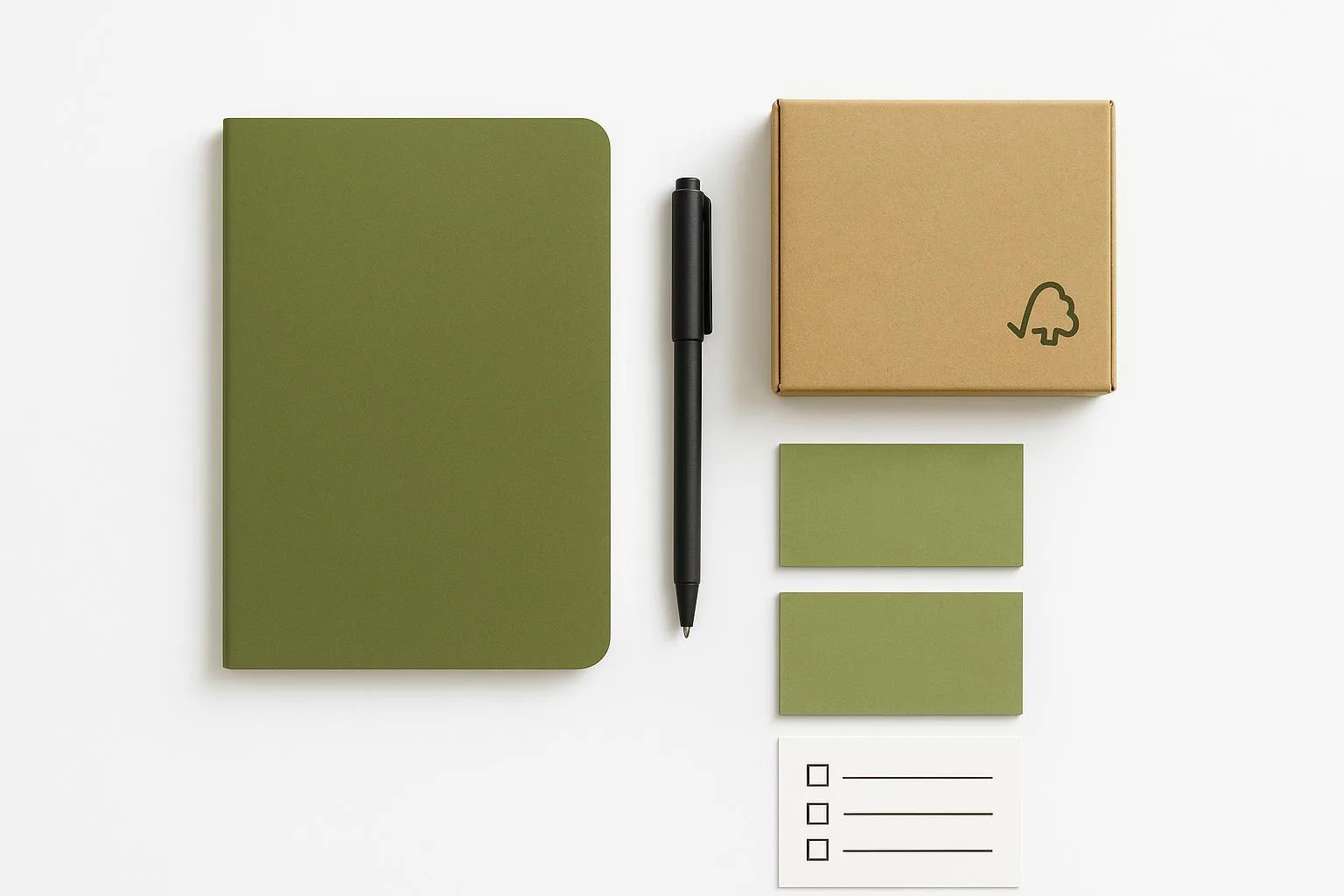
If sustainability matters, don’t accept “eco-friendly” as a label—ask what the product is made from, and what documentation supports the claim. FSC provides a practical menu of paper options you can specify (including bamboo, hemp, sugarcane bagasse, and seed paper) in FSC’s 2025 overview of eco-friendly paper types. When relevant, you can request FSC certified paper and specify whether you require FSC Mix or FSC Recycled for the paper component.
Also make your material spec measurable. A quote that says “recycled paper” is not a spec—ask for GSM, recycled content %, and the certification scope (paper only, or paper + packaging).
2) Packaging and brand consistency
If the stationery is a giveaway, packaging is part of the product. It controls first impression, damage rate, and whether the set feels premium or disposable.
To spec packaging without over-designing it:
define the unboxing moment you need (simple mailer vs. retail-ready gift box)
set durability expectations (drop resistance for transit, scuff resistance for shelf handling)
standardize how branding shows up (logo position, color, finish)
If you’re building a gift set, align packaging to the channel. Trade show kits need speed and resilience. VIP or partner kits can justify heavier boxes, inserts, and a more deliberate presentation.
Best use cases for custom promotional stationery
Corporate events and trade shows
Most event stationery fails because it’s optimized for unit price, not for carry-and-keep behavior.
A better approach:
pick items that travel well (thin notebook, reliable pen)
avoid fragile finishes that scuff during distribution
make the branding subtle enough that people are willing to use it outside the event
Scenario (how the purchase actually plays out): A B2B company is preparing for a conference and wants long-tail brand recall—not just a quick booth giveaway. Procurement starts by setting practical requirements (the kit must fit in a tote bag, won’t scuff in transit, and still look “work-appropriate” in a meeting).
They shortlist a simple core set (pen + slim notebook), then lock specs that protect repeat quality: paper weight range, cover finish, imprint method, and a clear logo placement tolerance. Next comes sampling: they test the pen for consistent ink flow, run a quick “desk use” test on the notebook (bleed-through and durability), and request one sample packed exactly as it will ship to catch scuffs and corner crush early.
Only after the sample matches the spec do they scale the order. Because the branding is calm and the item quality holds up, attendees keep using the set after the event—turning a one-day conference into weeks of desk-level visibility.
If you want a safe foundation, a small “core set” (pen + notebook) usually outperforms five items that feel disposable.
Onboarding kits and education programs
Onboarding and education are high-frequency use cases. That’s good for brand recognition, but it’s also where quality problems show up fast.
For onboarding, build a set that supports daily work: notebook + pen + a small desk organizer or pouch.
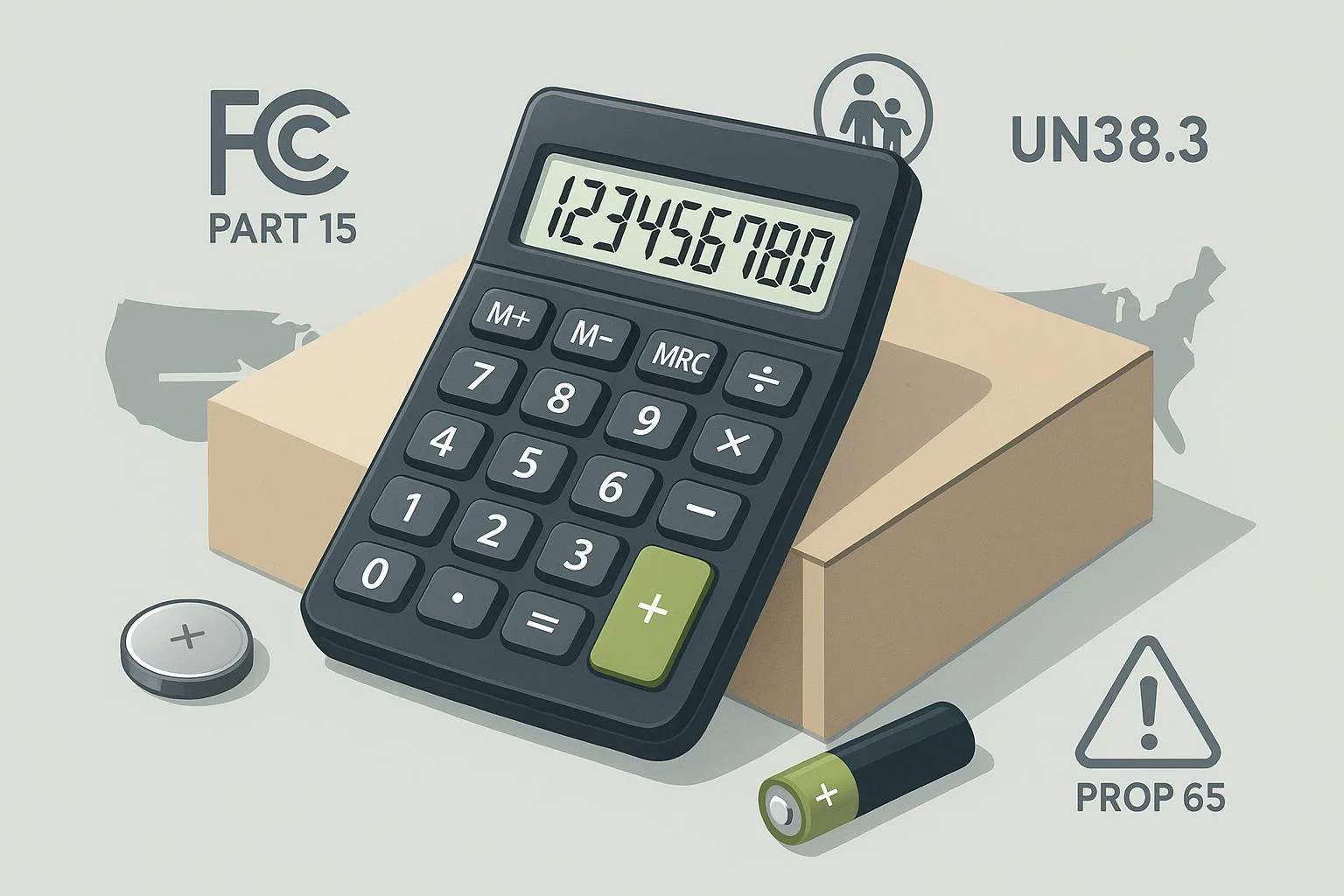
For education programs, make compliance and material safety part of the supplier conversation early. Don’t wait until after the sample looks good.
How to choose the right supplier
Low MOQ is useful for testing a design and avoiding dead inventory, but it doesn’t automatically reduce risk. When you compare suppliers, separate these two questions:
What is the minimum you can order?
What is the minimum you can reorder consistently?
For many buyers (especially e-commerce brands), the second question matters more.
To keep supplier evaluation practical, ask for clear answers on these points:
Production capability: Can they support your target volume without outsourcing key steps? What’s the typical lead time for your category?
Delivery track record: How do they handle peak seasons, and what happens when a timeline slips?
Quality control process: What’s the approval flow from spec sheet → pre-production sample → bulk production? What gets checked in-line vs. before shipment?
Consistency on repeat runs: How do they control materials, color, and logo placement tolerances between batches?
Compliance and documentation: What certifications or audit documentation can they provide when your program requires it?
Scenario (supplier evaluation under real constraints): An education program needs 10,000 identical notebooks for multiple terms, with little room for variation between batches. The team starts with an RFQ that spells out what matters (paper spec, cover durability, logo placement tolerance, packaging standard, and delivery deadline), then filters suppliers based on whether they can explain their process clearly.
Before they approve production, they ask for:
a pre-production sample matched to a written spec sheet
boundary samples for color/finish (best acceptable vs. worst acceptable)
a QC plan that lists CTQ points and when checks happen (in-line vs. pre-shipment)
They also confirm what stays stable on reorders (materials, color matching method, tooling, and imprint setup). By treating the sample as part of a documented approval workflow—not a one-time “looks good”—they reduce the risk of “sample looks great, bulk looks different” when the next term’s reorder happens under a tight timeline.
The most common failure mode in custom promotional stationery is “sample looks great, bulk looks different.” It’s avoidable if you treat approval as a process, not a moment. A useful workflow is: define specs, approve samples against the specs, then inspect production against the same specs. QualityInspection.org outlines that “spec sheet → sample review → inspection” discipline in QualityInspection.org’s specs-to-inspection workflow.
Two procurement moves make a big difference:
define CTQ (critical-to-quality) points: logo position, logo color, paper weight, binding strength, packaging integrity
keep boundary samples: one “best acceptable” and one “worst acceptable” for color and finish
If you plan to run third-party inspections, align on sampling logic. Eurofins describes AQL as a widely used approach for random sampling and defect acceptance thresholds in Eurofins’ AQL explanation (2024).
⚠️ Warning: If the supplier won’t put tolerances in writing (color range, logo placement tolerance, defect classification), you’re not buying a product. You’re buying a debate.
For a first-party example of what QC can look like in stationery, Shinyyou summarizes tests like drop testing, ink testing, rub testing, and packaging testing on its Shinyyou’s quality control tests page.
Popular custom stationery recommendations
Custom pens, notebooks, and office add-ons: the basics that carry your brand
If you want branded stationery that works across use cases, start with the basics. They’re easier to standardize, easier to reorder, and easier to QA.
A practical starter mix:
custom pens with consistent ink flow and durable imprint
custom notebooks or planners with stable paper and binding
one small add-on that improves usability (sticky notes, clips, compact desk organizer)
Shinyyou’s catalog spans core categories you can build from, including custom notebooks and planners (see the planner category at custom notebooks and planners) and a wider set of office accessories and add-ons (examples live under office accessories and add-ons).
If you’re building a branded stationery set for a campaign, your “best” item is often the one that people keep on their desk. Prioritize tactile quality and durability over novelty.
Gift sets: using custom stationery boxes to strengthen relationships
Gift sets work when they feel cohesive.
To keep them from turning into clutter, align the set around a real scenario:
“new hire first week” kit
“conference follow-up” kit
“partner onboarding” kit
Then choose fewer items, but better ones. For consideration-stage buyers, the differentiator is usually not the item list. It’s the supplier’s ability to keep the set consistent across repeats and handle packaging safely at scale.
Purchasing process and practical watch-outs
How to approve samples and keep bulk quality consistent
Before you pay the balance or release the bulk run, make sure you can answer these questions clearly:
What exactly was approved? (PDF proof, pre-production sample, production sample)
What are the acceptance criteria? (CTQ list + defect classification)
What gets checked during production vs. before shipment?
How will the supplier handle rework if a defect threshold is exceeded?
If the item is packaging-sensitive, request at least one sample fully packed as it will ship. That’s where scuffs, crushed corners, and adhesive problems show up.
Examples of successful real-world use
Example 1: a “core set” that stays consistent across campaigns
A practical pattern that works across industries is a consistent pen + notebook set used in multiple campaigns. The key isn’t constantly reinventing the item list—it’s keeping the base spec stable so reorders are predictable.
Simulated case: A brand runs quarterly partner events and wants a giveaway that feels familiar (and reliable) each time. Procurement locks a base spec for the pen model, paper and binding, and imprint method, then creates a small approval packet: artwork file, spec sheet, and one boundary sample for color/finish.
When a seasonal campaign comes up, the team updates only the outer graphics while keeping the “non-negotiables” unchanged. That makes sampling faster, reduces last-minute surprises, and keeps the set consistent enough that people recognize it instantly when it shows up on a desk again.
Example 2: education programs that need repeatable, compliant sets
Education programs often succeed with simple, repeatable sets, but the winning move is operational consistency: the same items, the same branding placement rules, and the same packaging spec each term.
Simulated case: A school program orders the same notebook set each semester and treats compliance as a gate, not a checkbox. The team confirms documentation early, approves samples against a written CTQ list, and checks that the supplier can support repeat orders without changing key materials.
If you’re buying for a school or youth program, treat compliance and material safety as part of supplier selection from the start—because once you’re under a fixed semester deadline, it’s too late to rebuild the spec.
How to start your custom stationery project
Request samples and a quote
If you want a supplier conversation that stays practical, send a short RFQ with:
product list + target quantities
branding method (print/foil/engrave if relevant)
material requirements (including any FSC certified paper needs)
packaging requirements
timeline and delivery destination
If you’d like, you can contact Shinyyou to request a sample plan and a quote, then use the evaluation framework above to compare it side by side with other shortlisted suppliers.
Next step (choose one, or do both):
Request samples so you can validate paper feel, imprint clarity, and packaging durability before you commit.
Send an RFQ with your target quantities, branding method, material requirements, packaging spec, timeline, and delivery destination—so you can get a quote that matches how the items will be used (and reordered).